G. L. Heuzenroeder
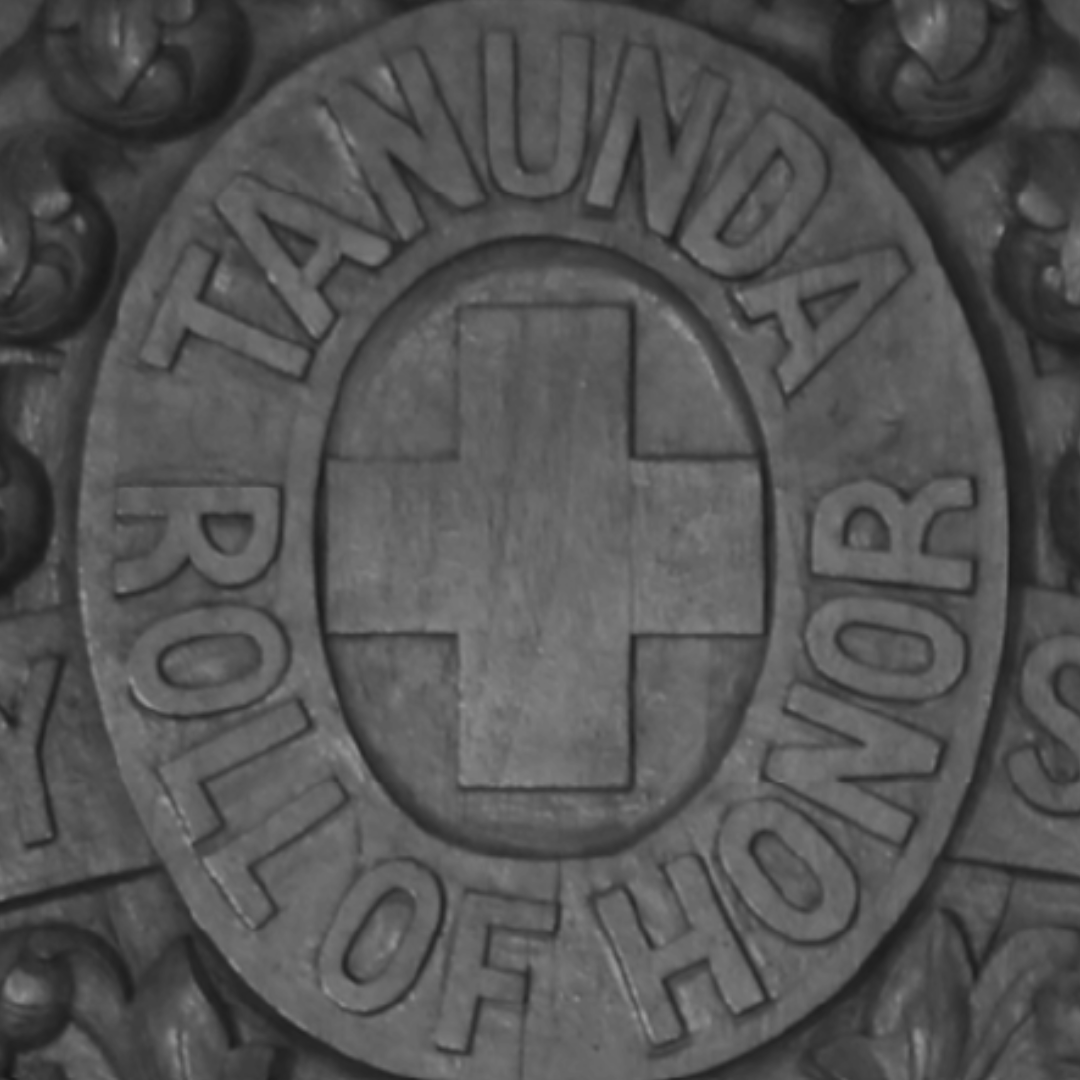
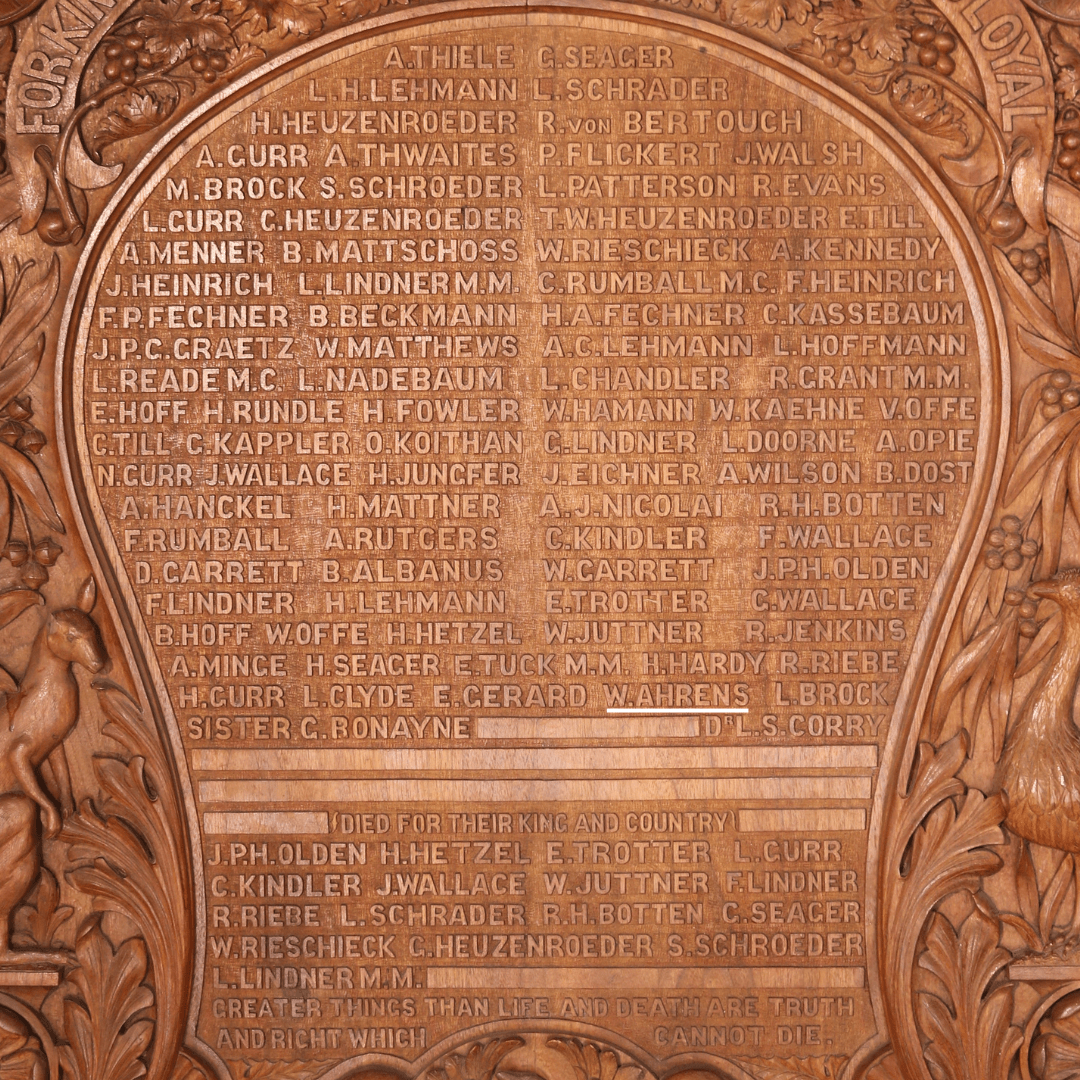
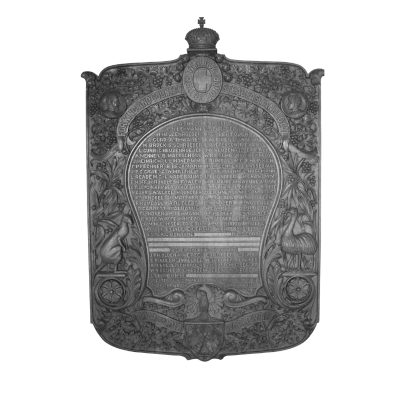
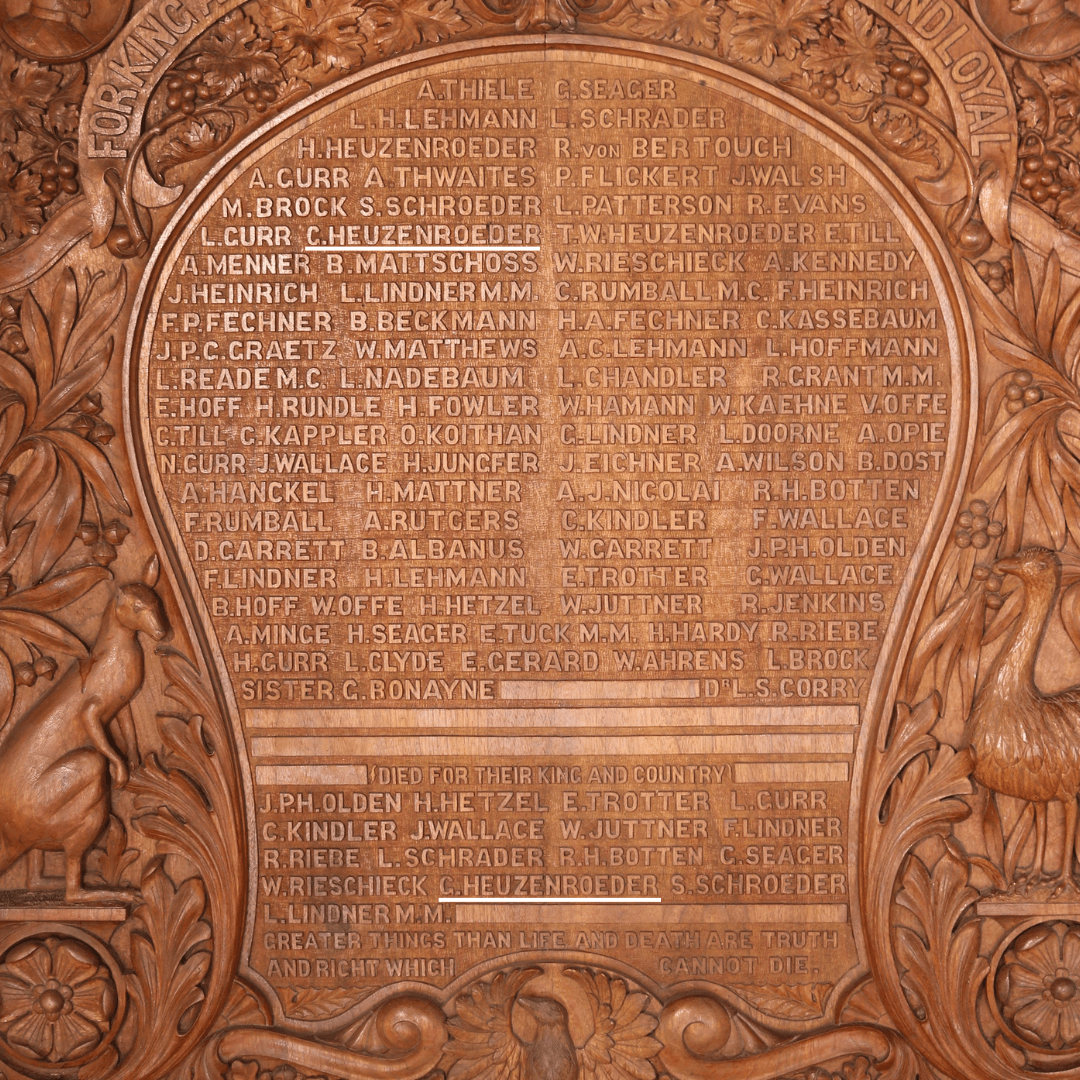
Tanunda Soldiers’ Memorial Hall | WW1 Role of Honour
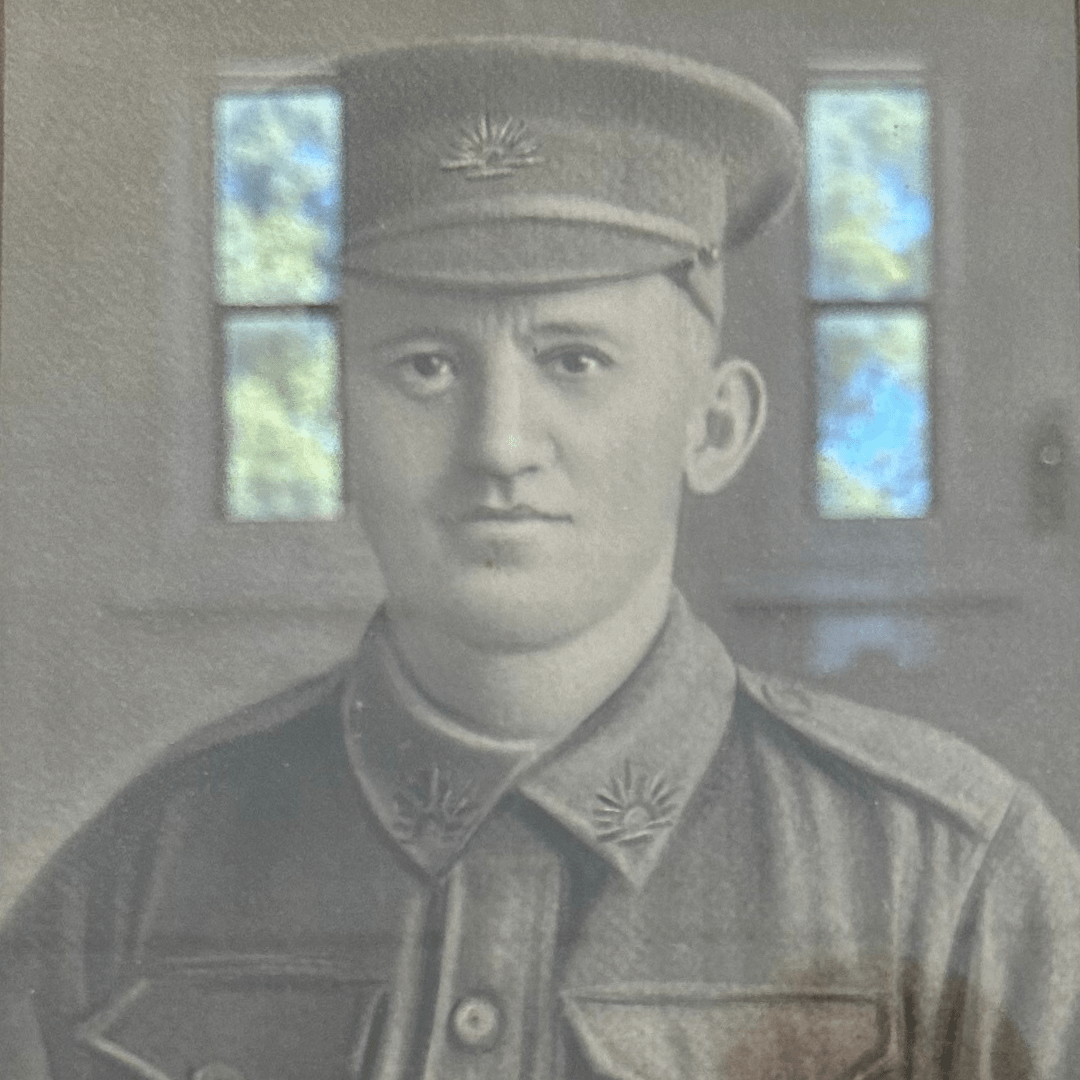
Gerhard Leopold Heuzenroeder
Born: 20 October 1885
Died: 25th July 1916, Villers-Bretonneux Memorial France
Gerhard Heuzenroeder was a well known Tanunda local. He was the youngest son of Theo Heuzenroeder, the local chemist with a shop on Murray Street in the late 1800’s. When Theo died in 1898 the pharmacy was taken over by his son, Gerhard’s older brother Moritz. Another brother from the 7 of Gerhard’s siblings, Herbert, made a name for himself as a popular reptile handler.
Gerhard had attended St Peter’s Boys College in Adelaide’s leafy eastern suburbs and in his student years took up shooting. In 1904, at 19 years of age, he and a group of 4 other young men, took a shooting trip out to Moppa and Gerhard, well known for his accuracy, bought down a fox on the run. Introduced to Australia in 1870 for hunting purposes, foxes and rabbits were still novel enough to rate a newspaper mention and the article says the animal was approximately 3 feet long and 1.5 feet high. Hares were also plentiful and the group bagged 13, no doubt destined for the cooking pot.
Gerhard’s shooting prowess was again the subject of newspaper reporting in 1910 when he won the Tanunda Kingship shooting contest. A notable event in Tanunda’s civic line-up, the Kingship was an all day event, followed by dinner at the club, then a ball in the Club Hall. Gerhard was awarded an imposing crown of Oak leaves and a gold medal was pinned to his lapel. The crowd cheered and sang vociferously whilst Gerhard was exceedingly modest and smiled his appreciation.
Not one to stay out of the newspapers, he was mentioned again in January 1914 when he and brother Herbert visited Mannum to host a snake charming show. It is reported that a tiger snake sunk its fangs into the Gerhard’s face, just below the left eye, and his lower face quickly turned black. He was immediately conveyed to the local doctor who lanced the wound, but Gerhard ended up in hospital and it took several weeks for him to recover.
The following year, in August 1915, he was 29 years old when he travelled into Adelaide to enlist. Herbert had enlisted only two weeks before, and together the brothers were part of a cohort of twelve Tanunda lads who all enlisted in a six week period. Ten of the boys, including Gerhard and Herbert posed together for a studio photograph in their new khaki uniforms, and the photo was published early in November in several prominent South Australian newspapers with the title ‘Patriotic German Australians’. The boys weren’t in Australia to see it in print however, having already been shipped out on the Benalla to Egypt, via Freemantle.
On board with them was Louis Hoffmann – also from Tanunda and also in the photograph – who was keeping a diary in little note books that he posted home to his family. Gerhard, and the entire Tanunda cohort are all mentioned regularly in Louis’ notes.
Originally sent to Egypt for training, Louis talks about a march they were all involved in:
“January 18th, 1916. A very funny thing occurred on the march this afternoon, We were all watching six aeroplanes and just as we passed the aerodrome camp they descended. This was something new to us and everyone stopped without being ordered to watch the planes come down and rise. There was not a word said, they let us satisfy ourselves and then we marched on.”
Several weeks later, on February 22nd, the 6/27th battalion was split and troops were reassigned to the 10th Battalion under Colonel Stanley Price Weir. Louis’ diary says ‘They have split up the 6th/27th. We are in the 10th Battalion – all our Tanunda boys together – in fact all our lot is going to the join the 10th’
In March the battalion was moved out of Alexandria and shipped to France. On board the boat Louis says ‘Left Alexandria at 7.00am. It was very warm down below. The arrangements for sleeping are better than the ‘Benalla’ having beds and mattresses of seaweed. There are over 4000 troops on board so you can guess there is not much room”.
They disembarked at Marseilles on April 3rd and were immediately entrained and then marched into positions behind the front lines to finish their training. Louis says “The big guns sound just like continual thunder, they have been going all night”
The battalion started working in the front lines during the early part of May and louis says they were sent to help complete a dugout. “It was very quiet only sniping and machine guns firing – we used to duck our heads every time a bullet whizzed past – felt very nervous, the star shells light up everything like daylight…they dropped quite a few close to us and we have to lie down when they are sent over. The place is full of rats and Fritz’s trenches are only about 80-100 yards away.”
By July the Battalion was seeing regular fighting from the front lines and on 22nd of July… ”Terrible sights all around here. This afternoon we got word to be ready for the biggest battle ever been fought in the world – something to look forward to and talk about – if we get through it! Left here at 9.30am – shelled all the way up – every sort of shell imaginable – and gas shells, and lachrymatory shells and have to wear our helmets. Gas, machine guns and all the horrors of war. The rest I will not mention as would fill books and take days to write. It is worse than Hell!!! You can imagine the noise of our guns alone, 1500 of them without the bombs and the Huns”
On the 24th July “Fritz tried to counter attack but failed hopelessly. He lost a great number of men…We are getting plenty of shells over this afternoon – another try to get in our lines but we kept him well away. All on watch – had no sleep very tired. A rotten night trying to keep awake”
By the 25th of July “Our bombers have put up one of the finest battles we have seen: running along the Hun’s trench throwing bombs…They are now shelling us – it is hellish!!! Hope to get returned soon – all done – no sleep so far…are going out of it tonight – thank god…” Except Leopold didn’t make it out. It was the battle of Pozieres, and with an efficient red stamp applied at a desk somewhere he was deemed to have been killed in action, with a hand written note that says: in the field, France. His body was never found.
Leopold’s brother, Moritz, received two parcels from France containing his youngest brother’s kit. The first contained letters, cards, photos and a comb. The second, a brush, pipe, photo, letter and a piece of shell.
A death notice appeared in South Australian newspapers in August 1916 under the all-too familiar heading ‘Honour Roll’. With the rousing patriotic words ‘For King and Country’ the article talked about Leopold’s marksmanship and skill as a sniper, and mentioned that his brother, Herbert, was still in the thick of the fighting.
Leopold’s elder sister Antonie placed a touching memorial notice in the newspaper in 1917 and again in 1918, In loving memory of my youngest brother…killed in action at Pozieres, France, 23rd July 1916. His Duty Nobly Done.
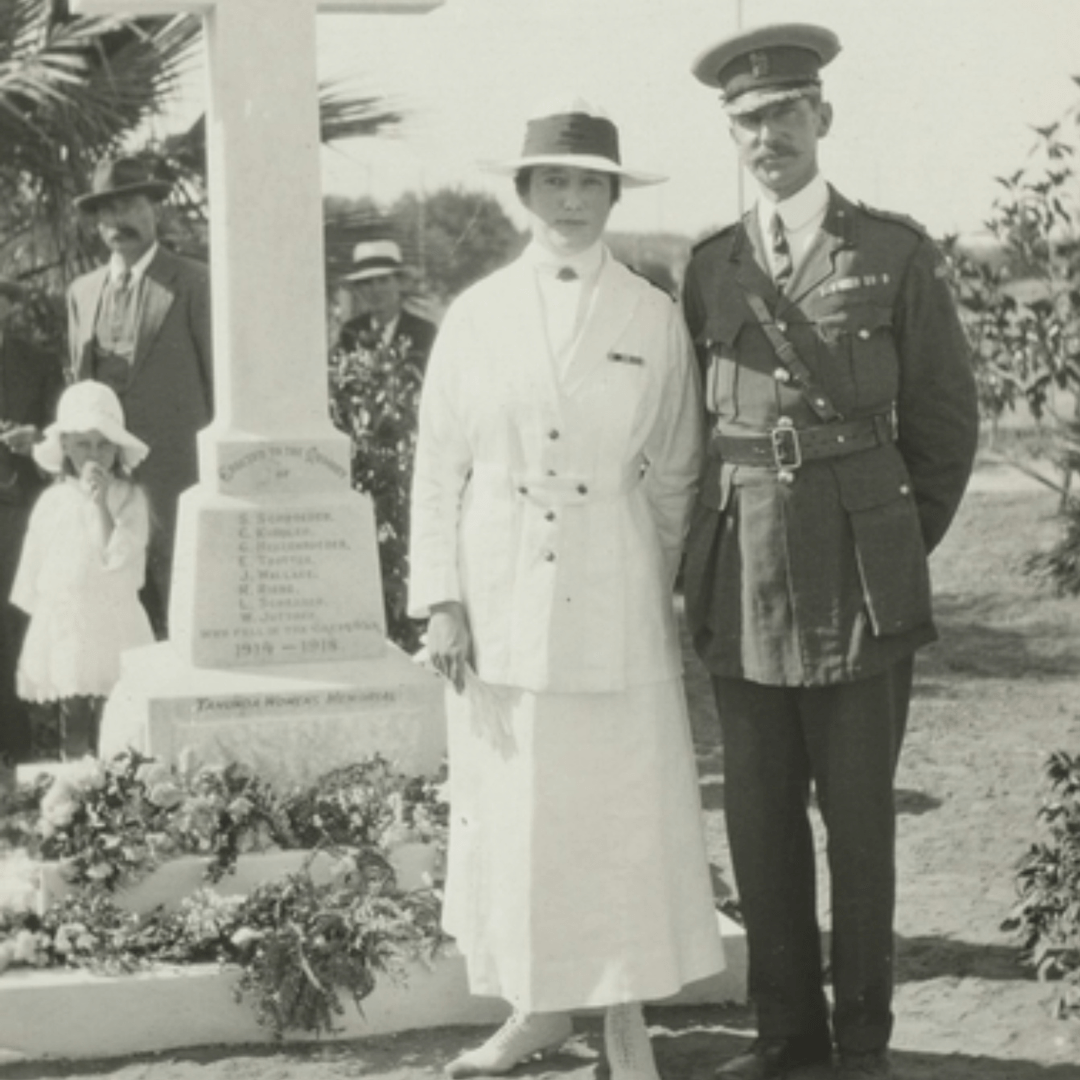
In 1920 Tanunda’s women war workers had raised enough money to erect a War Memorial. Carved from white Angaston Marble, with the names of the fallen carved into it’s base, the cross of sacrifice was first opened in the sports grounds before later being moved to Murray street. Named The Women’s Memorial, because it had been funded and arranged by the women, Gerhard’s commanding officer, Colonel Stanley Price Weir officiated at the opening ceremony and his speech mentioned all the Tanunda boys who had served under him.
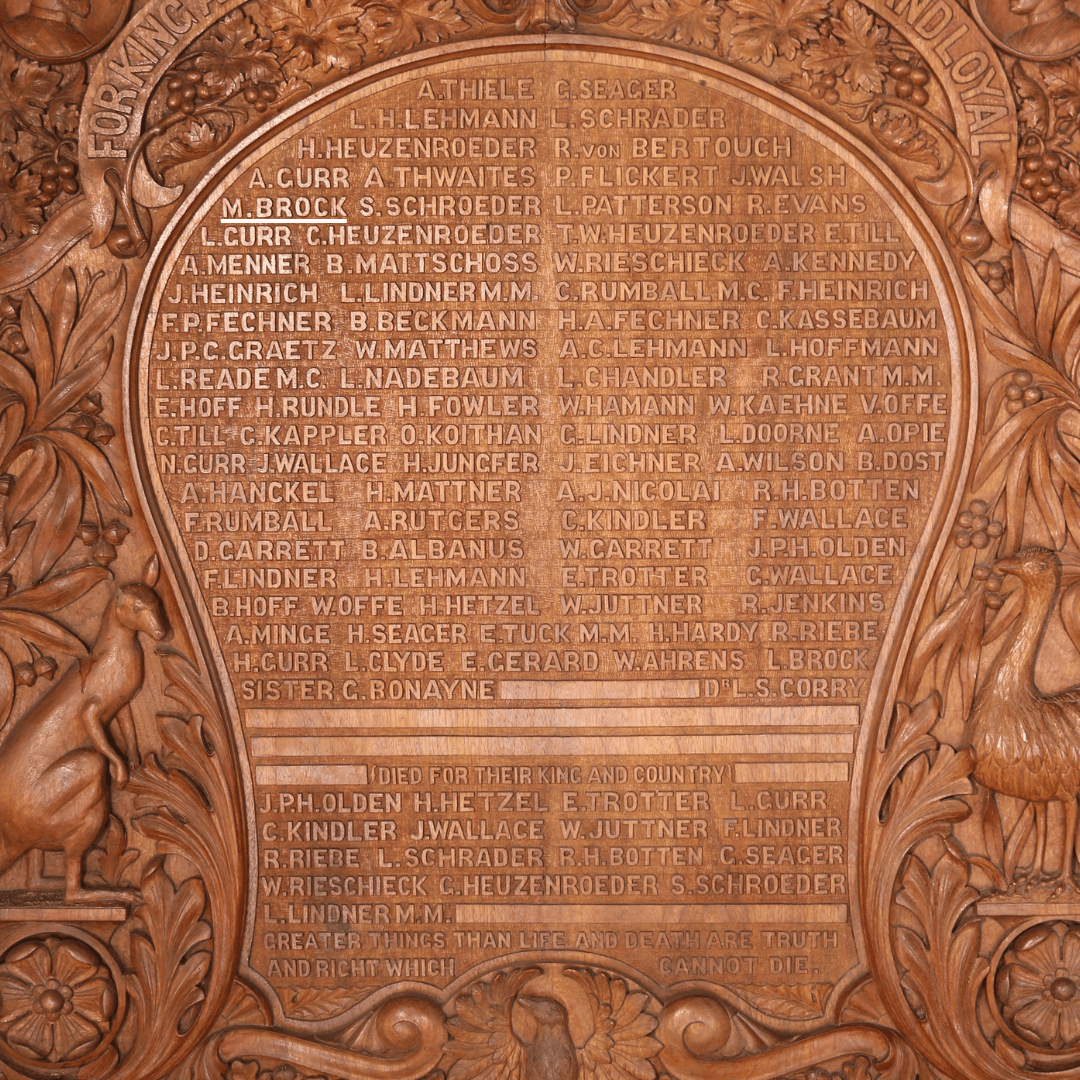
Gerhard’s name is listed on the Australian War Memorial Roll of Honour, St Peter’s College Fallen Honour Board, Tanunda Roll of Honour, Tanunda War Memorial, The South Australian National War Memorial and the Villers-Bretonneux Memorial.
He has no known grave.
Mother:
Father: Theo Heuzenroeder
Next of Kin: Moritz Heuzenroeder (brother)
Recorded Township Connection: Tanunda
Elisted: 8/20/1915
Discharged: 23/07/1916 Killed in Action
Rank: Private
Service Number: 2678
Unit: 10th Bn. AIF
Letters & Links: Private Gerhard Leopold Heuzenroeder | War Casualty Details 1461892 | CWGC
Grave Site: Villers-Bretonneux Memorial France
NAA Record: Digital Item Page Gallery
Virtual War Memorial Link: https://vwma.org.au/explore/people/152482
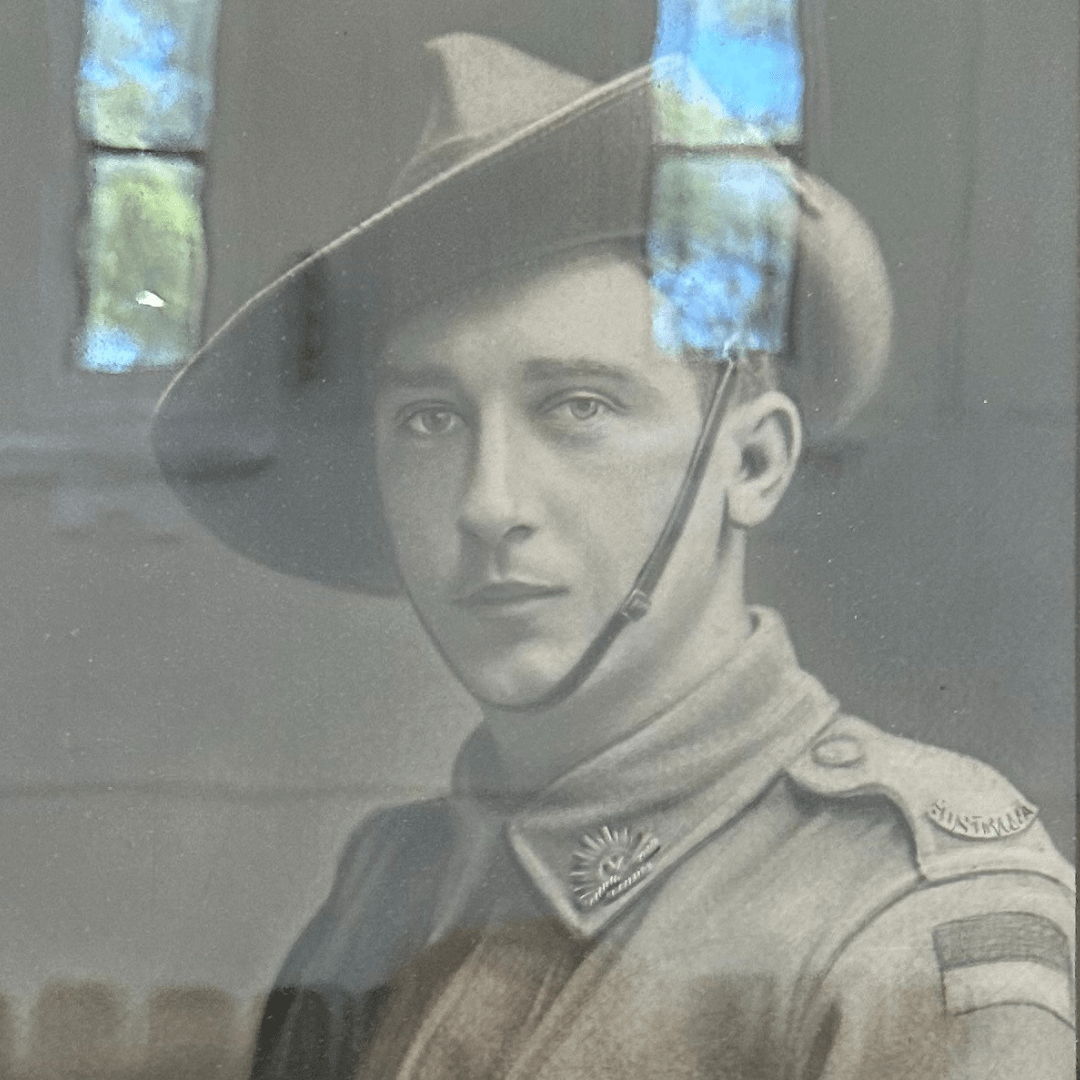
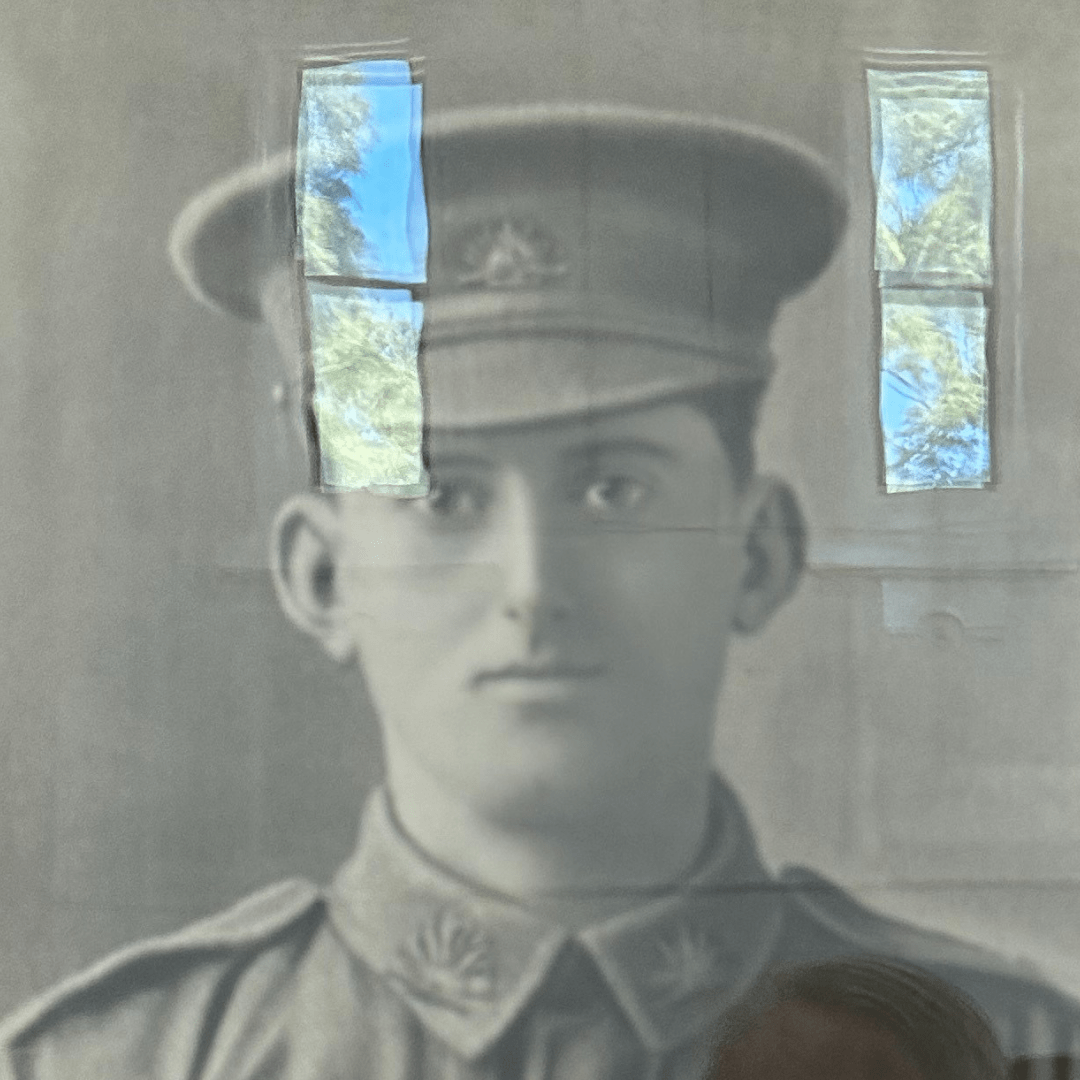
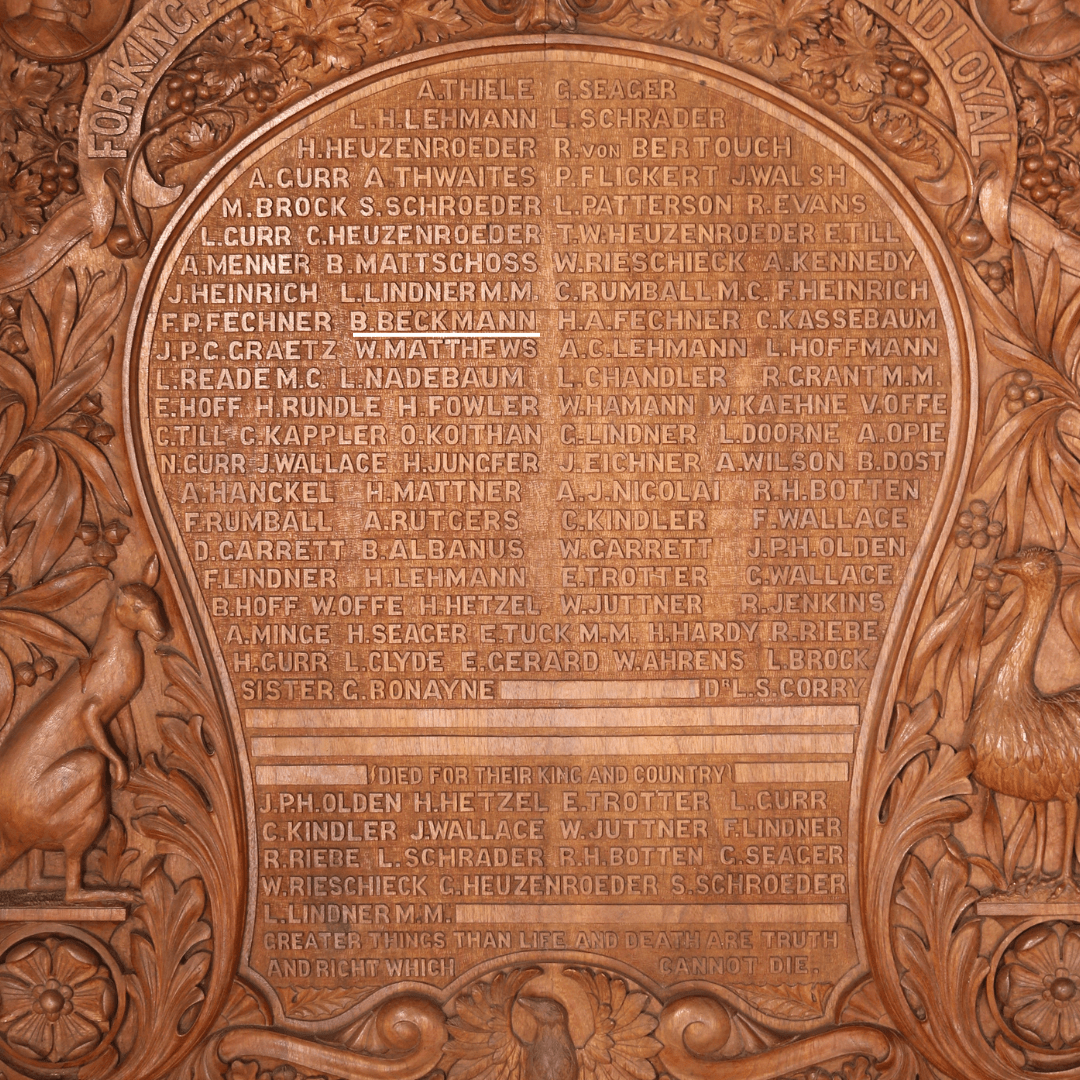
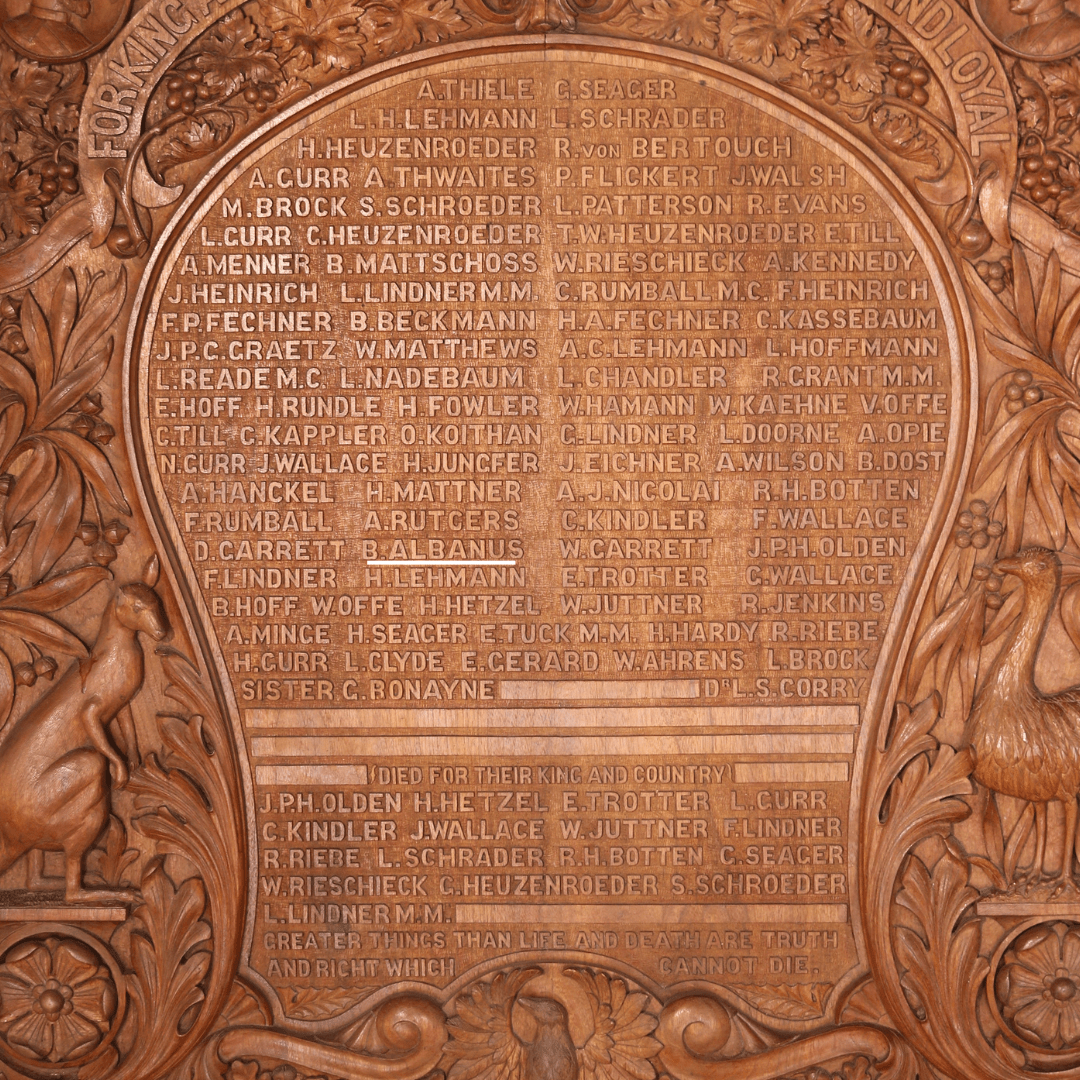
Note: Gerhard’s portrait hangs in the Tanunda Soldiers’ Memorial Hall. His name appears in both sections of the Tanunda WW1 Role of Honour, also at this site.