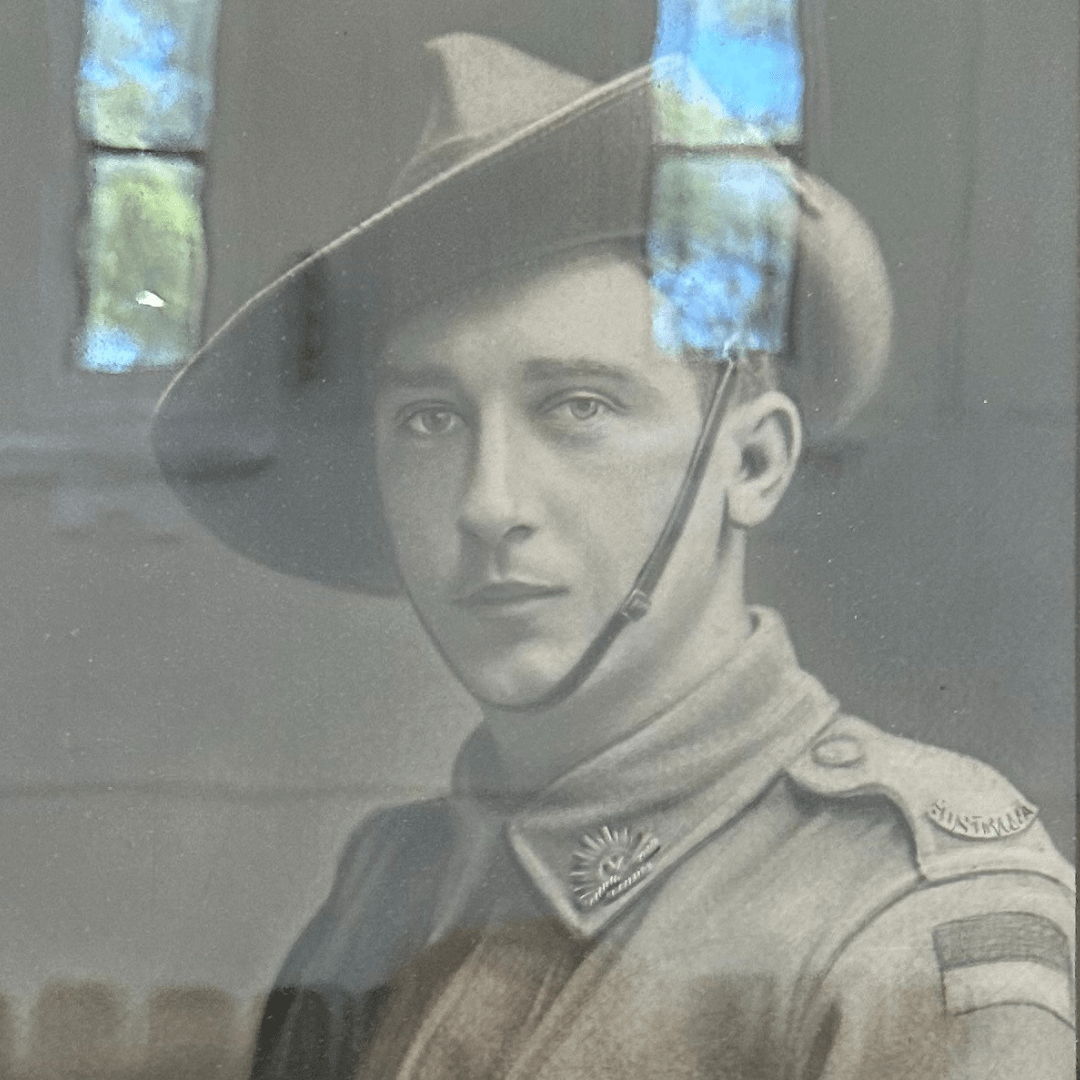
Sister G. Ronayne
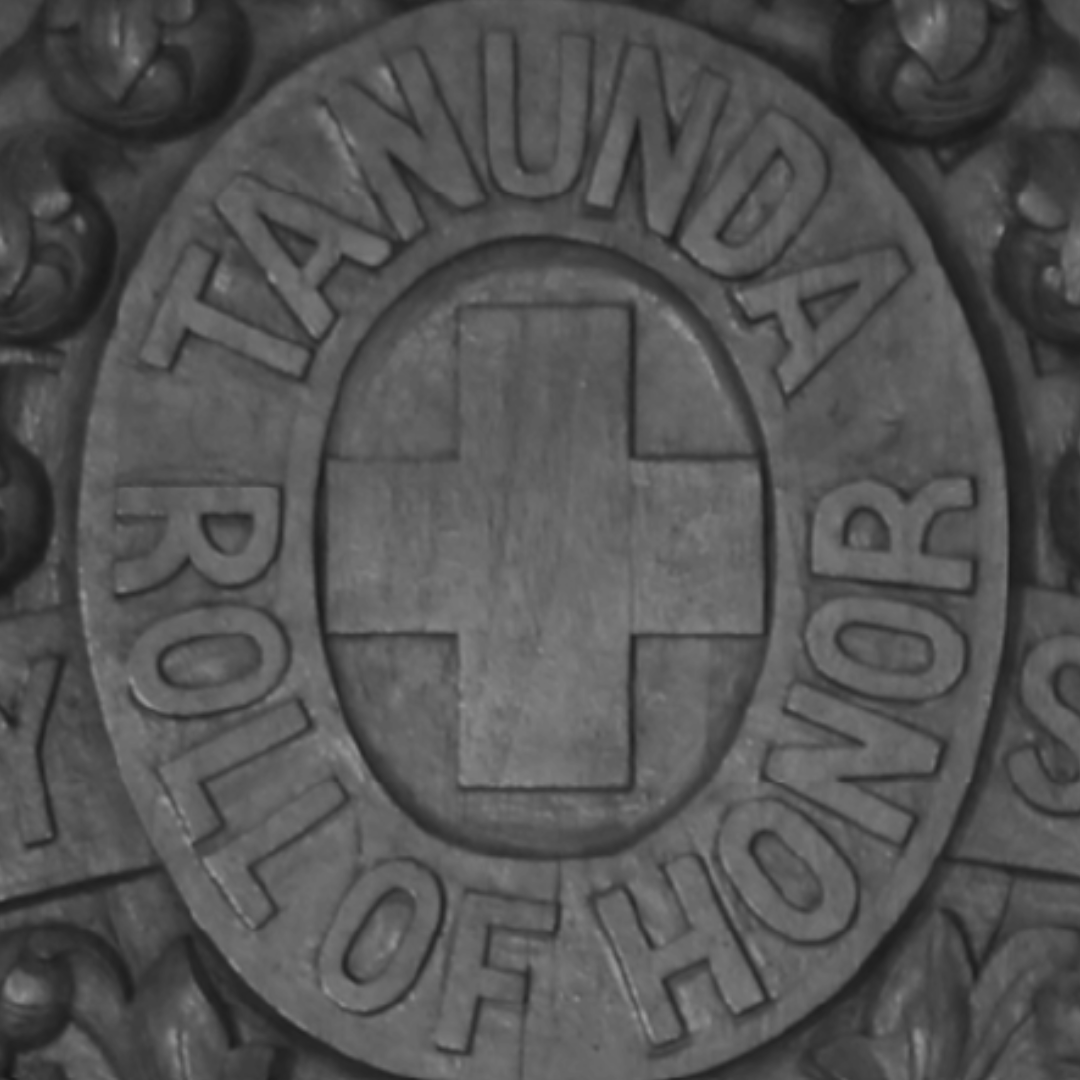
Tanunda Soldiers’ Memorial Hall | WW1 Role of Honour
Gertrude Lilian Ronayne
Born: 30/9/1887
Died: 7/11/1945
In 1917 Lilian signed her WW1 nursing enlistment papers is G.Lilian Ronayne, so it’s fair to assume she adopted the common practice of using her middle name. She also contributed a recipe to the original publication of the Barossa Cookery Book, although her name was mis-spelt as Ronaque.
Lilian was the daughter of Carl and Phoebe Von Bertouch of Tanunda. Carl was a property solicitor and prominent business and community figure before he featured in a scandalous court case in 1914. Charged with insolvency and fraud, the court proceedings were sensationally and prominently splashed across newspapers state-wide. Found guilty of the lesser charge of failing to keep proper accounts he was disbarred from practice and his estate handed over to creditors. Bankrupt, Carl moved to the Yorke Peninsula and Phoebe moved to the eastern suburbs of Adelaide.
Lilian started nurses training at Adelaide Children’s hospital the same year, and legally changed her surname, adopting her maternal grandmother’s family name ‘Ronayne’. Distancing herself from her father? Or from a German surname in an increasingly anti-German climate? Possibly both.
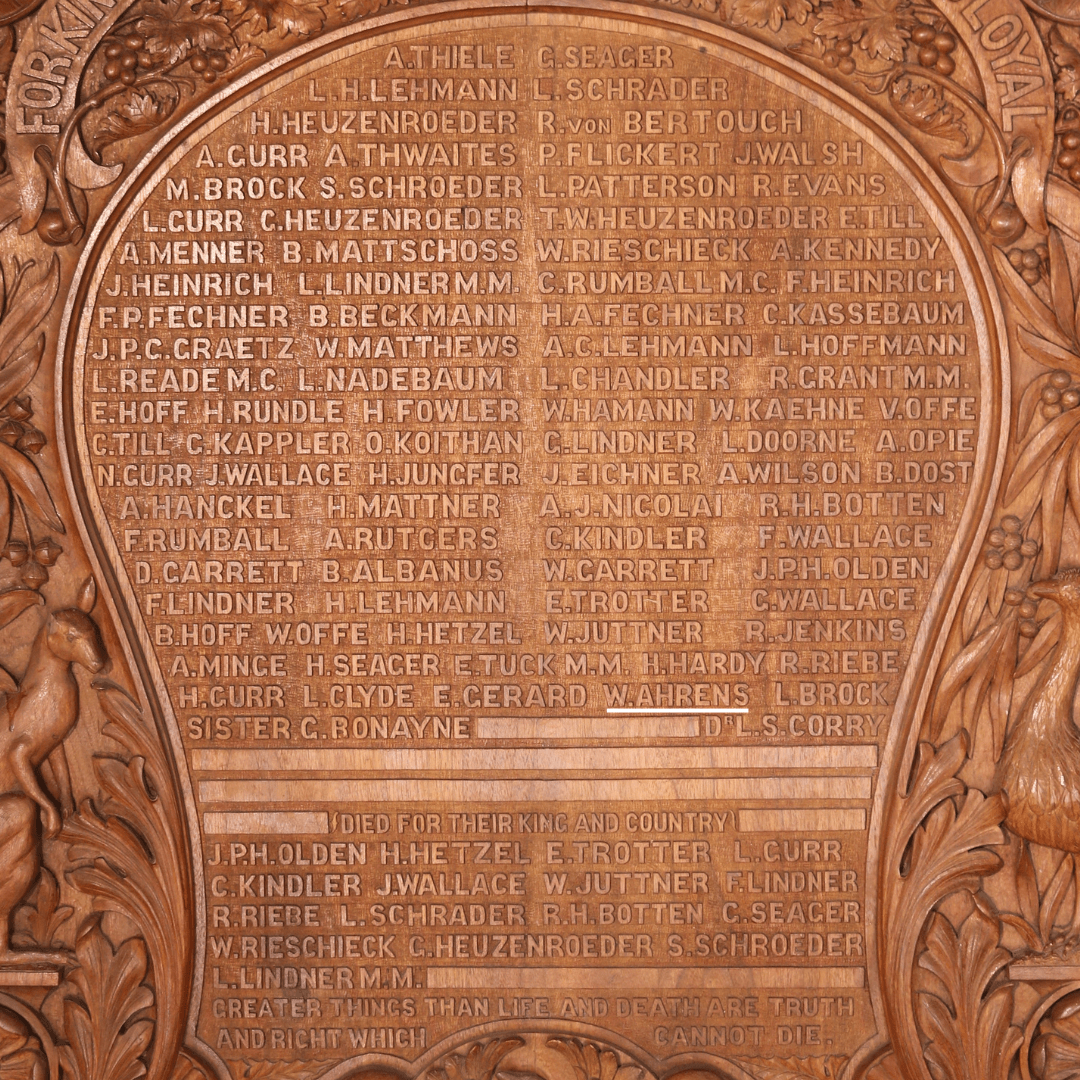
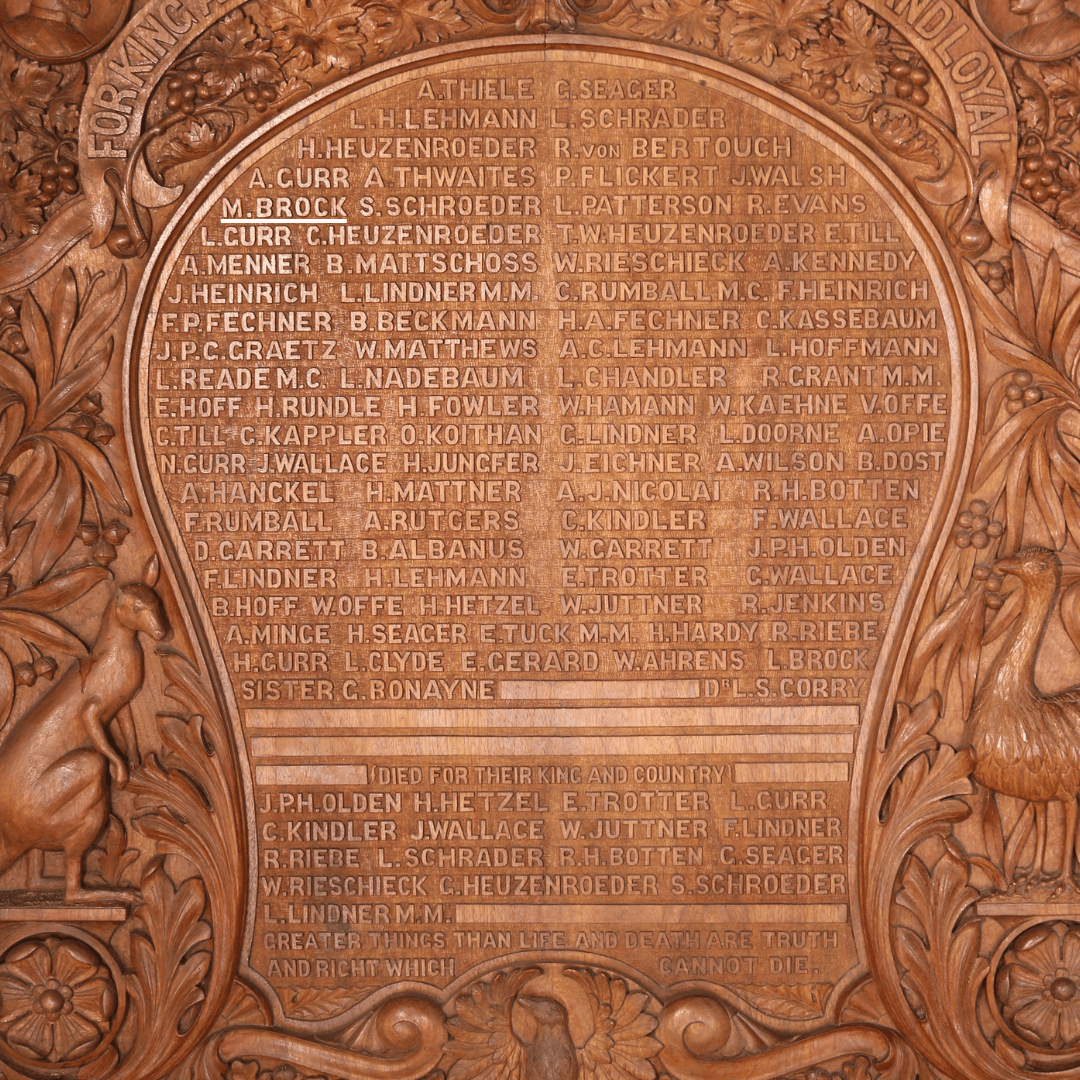
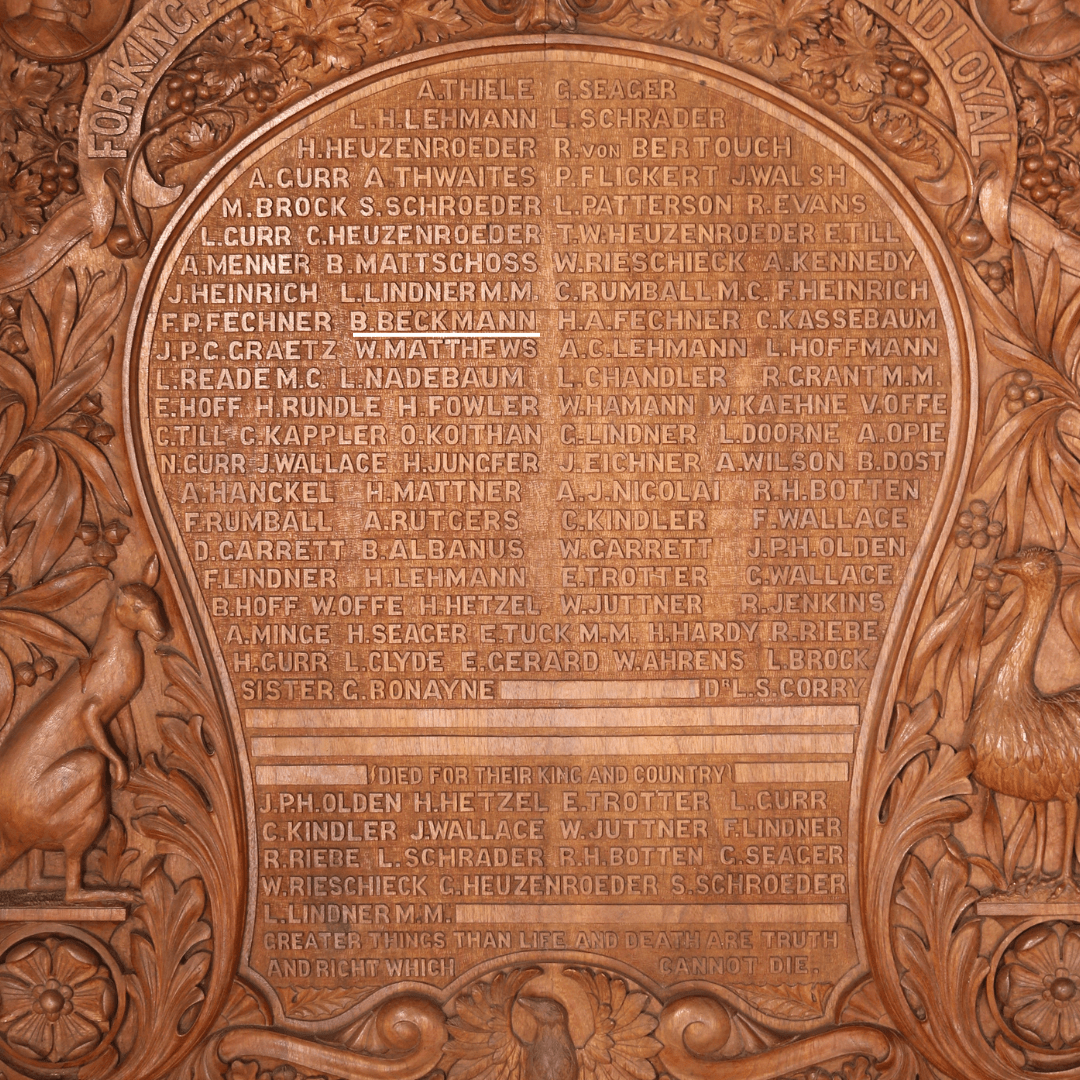
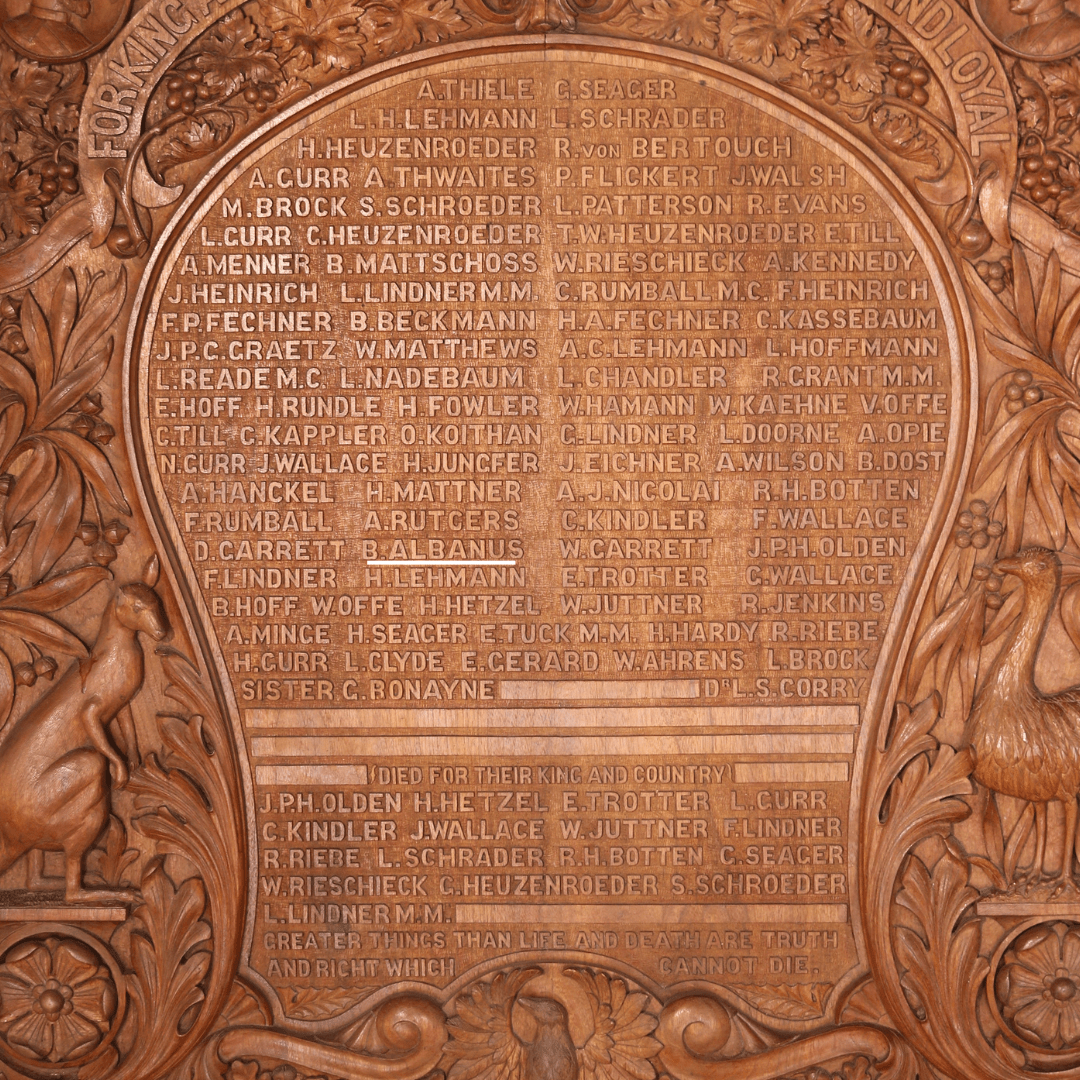
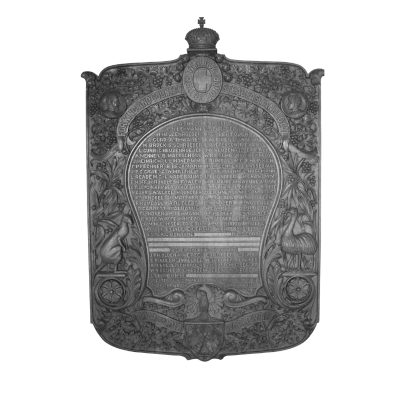
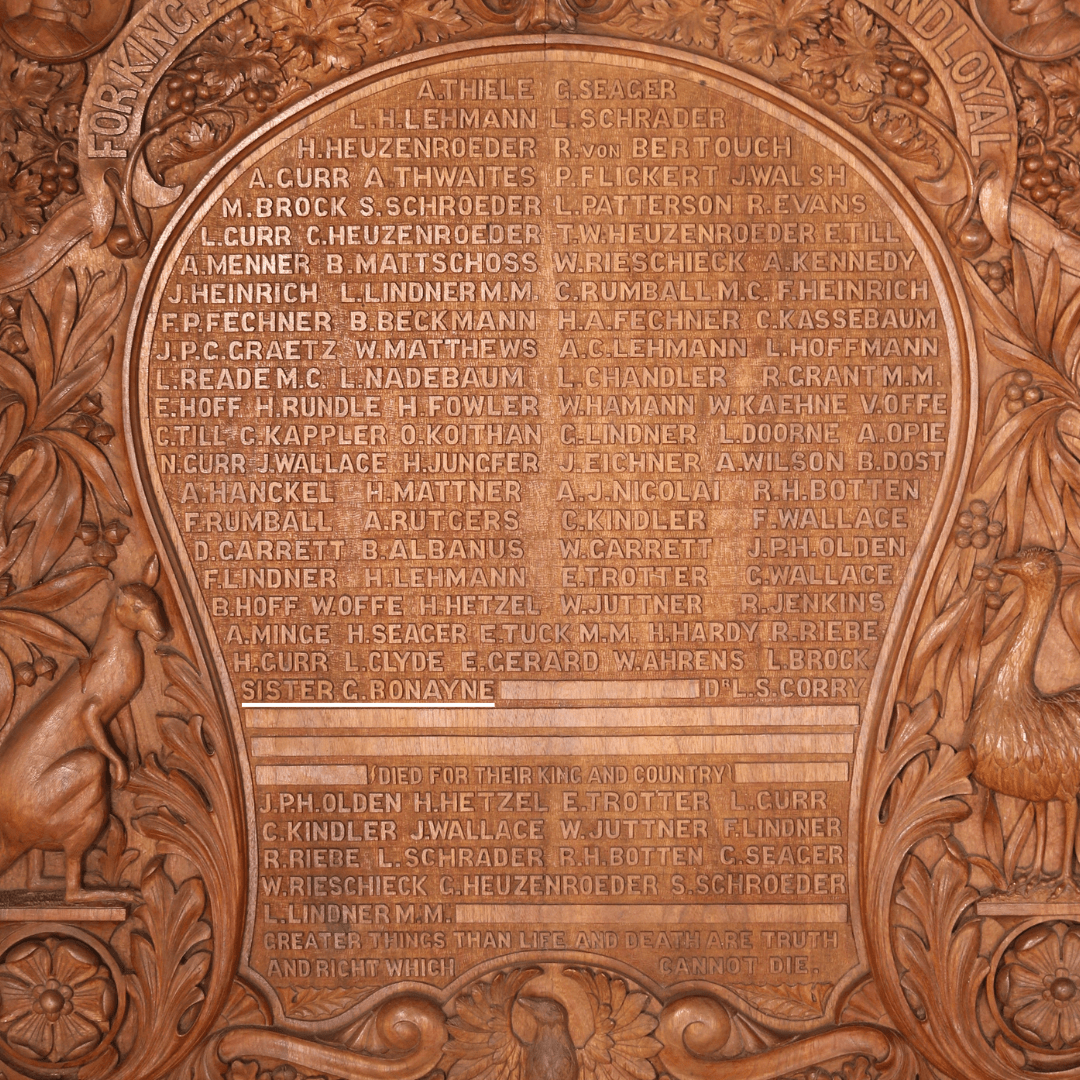
Across a number of following years her mother Phoebe, sister Valerie and brother Marcus followed her lead, also changing their surnames. Lilian’s remaining brother Roland, well known across the Barossa as ‘Rollie’, retained the Von Bertouch surname and also served in WW1. The dark timber honour roll in Tanunda Soldiers Memorial Hall that proudly declares “for King and Country”, with its cameos of King and Queen side by side with an Emu, Kangaroo and piping shrike, includes the names of both Lilian and Roland.
WW1 was called ‘The Great War’, because there had never been a war like it. With new killing tactics of trench warfare, machine guns, heavy artillery and gas shells, it was horrific. Many soldiers who tried to describe the horrors resorted to the word ‘indescribable’. Nurse Alice Kitchen aboard the Australian Hospital Ship (AHS) Gascon wrote in her journal that “There is no poetry here….only pain, misery and death”. In a world before antibiotics – and effective pain relief – Lilian was part of a 2,300 strong nursing corp who, with bare hands, pushed entrails back into wounded soldiers, trying to keep them alive long enough to make it to a barely equipped operating theatre. Applied tourniquets to patients with limbs missing, expected to cope single handedly as young men with horrendous wounds bled to death in front of them. Disposed of buckets full of surgically amputated limbs by throwing them overboard, and watching them instantly disappear amongst the permanently circling sharks. Faced black, gangrenous wounds and injured patients who had been lying on canvas stretchers so long they were glued on with their own dried blood. And the whole time wondering if they might meet a torpedo that couldn’t see the red cross painted on the deck, or a rogue bomber who would target them regardless.
In November 1918 Lilian was appointed as the nursing matron aboard AHS Karoola as it made several return trips between London and Melbourne, ferrying home disfigured, limbless and broken soldiers. Under the armistice they were no longer a target, which reduced the anxiety-and death rate, but didn’t diminish the workload. She made two return trips before being quarantined for Spanish Flu at Wayville Show Grounds, one of hundreds of soldiers and nurses in a city of canvas tents. Her service records attested to her being “An excellent nurse in every respect” and she was awarded the military rank of Major with three service medals. But the title existed in name only, and she spent the war years being paid less than an entry-level corporal. With a note in her records that referred her to hospital with a broken leg, she was demobilised from the war in 1919.
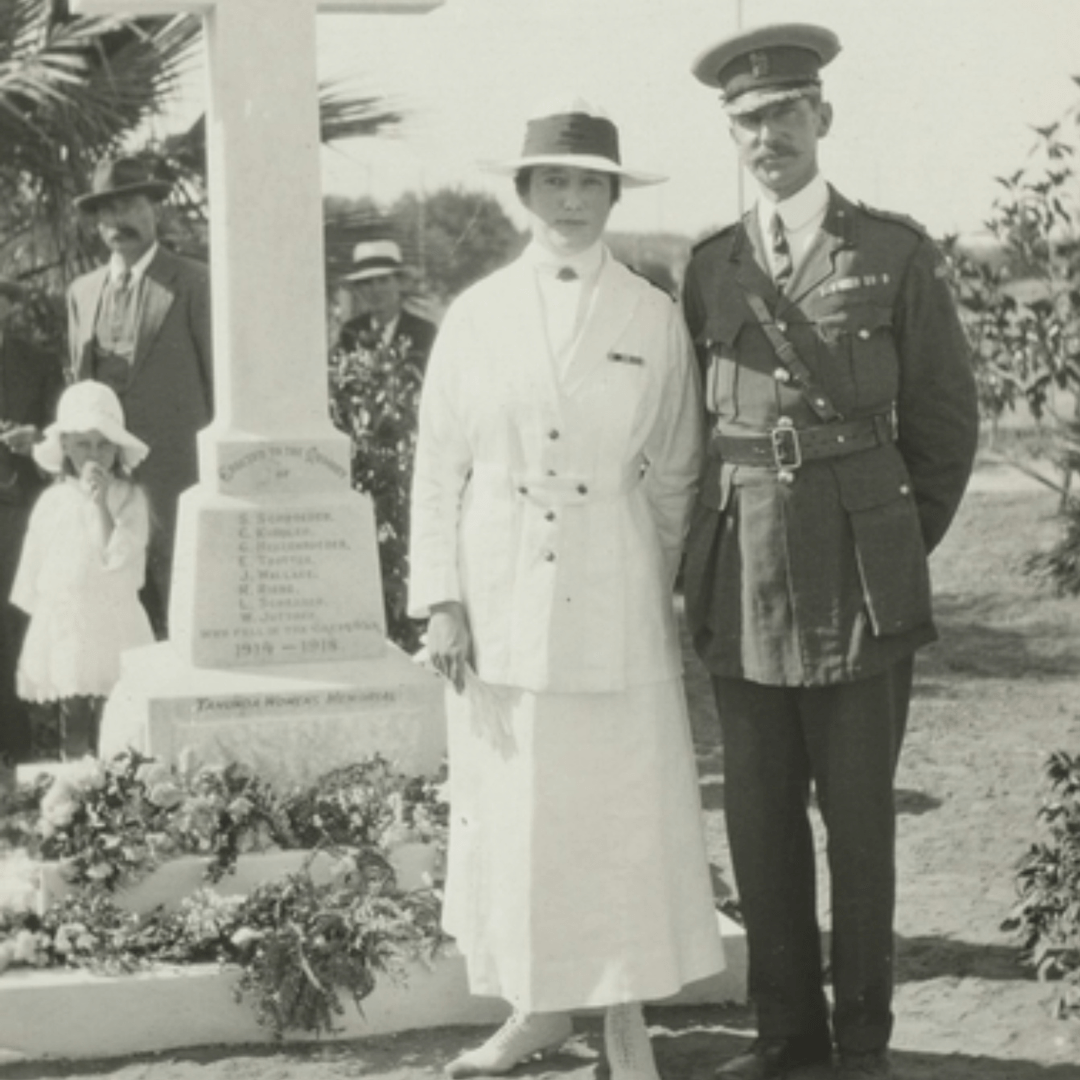
Lilian’s Aunt, Florence Mann, was closely involved in the project that delivered Tanunda’s ‘Women’s Memorial’ statue – the Cross of Sacrifice – and in 1920 Lilian was the female figurehead for the opening ceremony. Colonel Price-Weir was a returned ranking officer with an impeccable moustache and matching war service record. Heading up the 10th Australian Infantry Battalion recruited from South Australia in 1914, he and his men, some of them from the Barossa, had been part of the first South Australian action in France. Together Lilian and the Colonel lead the official party in a procession from the Post Office to the show grounds, followed by the town band and, and the extended group of women involved in war fundraising. The women wore white, and they each carried a bouquet of white flowers.
In front of the statue that was draped with the Union Jack, the Colonel held the gravitas and authority, and he did the talking. The Anglican Minister Rev Walker gave a service, and Lilian unveiled the cross. The crowd stood with bowed heads while the Last Post tore hearts apart, and the women in white lay their flowers at the base of the cross. Where two of every three Australians in uniform had been injured or killed, this ceremony, this monument, and this moment, existed to try and soften something that was just too awful for words.
The Great War was meant to be the war that ended all wars. Except it wasn’t. In 1939 Australians lined up for a second time, prepared to kill or be killed, and to fight to the very end. Lilian had spent the inter-war years working across several army repatriation hospitals, including Keswick and Daw Park., nursing some of the nation’s 159,000 permanently injured men. She re-enlisted in the Australian Army Nursing Service (AANS), and now aged 53 her enrolment papers identify her eye colour as brown, skin colour olive, and her hair colour as ‘going grey’.
Immediately appointed as Matron at Keswick Camp Hospital she nursed returned WW2 soldiers until 1942 when ill health forced her to take extended leave. She was demobilised in 1943 to a convalescent home in Mount Barker, and died in 1945, two months before the Japanese surrendered.
> (an extract from Rolling Up Their Sleeves, Those Barossa Girls)
Mother: Phoebe Ronayne
Father: Carl Stanislaus von Bertouch
Recorded Township Connection: Tanunda
Elisted: 7/5/1917
Discharged: 9/20/1919
Rank: Major
Service Number: S37898
Unit: Hospital Transport Corps
Grave Site: Centennial Park Cemetary
NAA Record: Digital Item Page Gallery
Virtual War Memorial Link: Virtual War Memorial | Gertrude Lilian RONAYNE
The Barossa Cookery Book: Scalloped Fish, page 11
Rolling Up Their Sleeves: pages 20,22