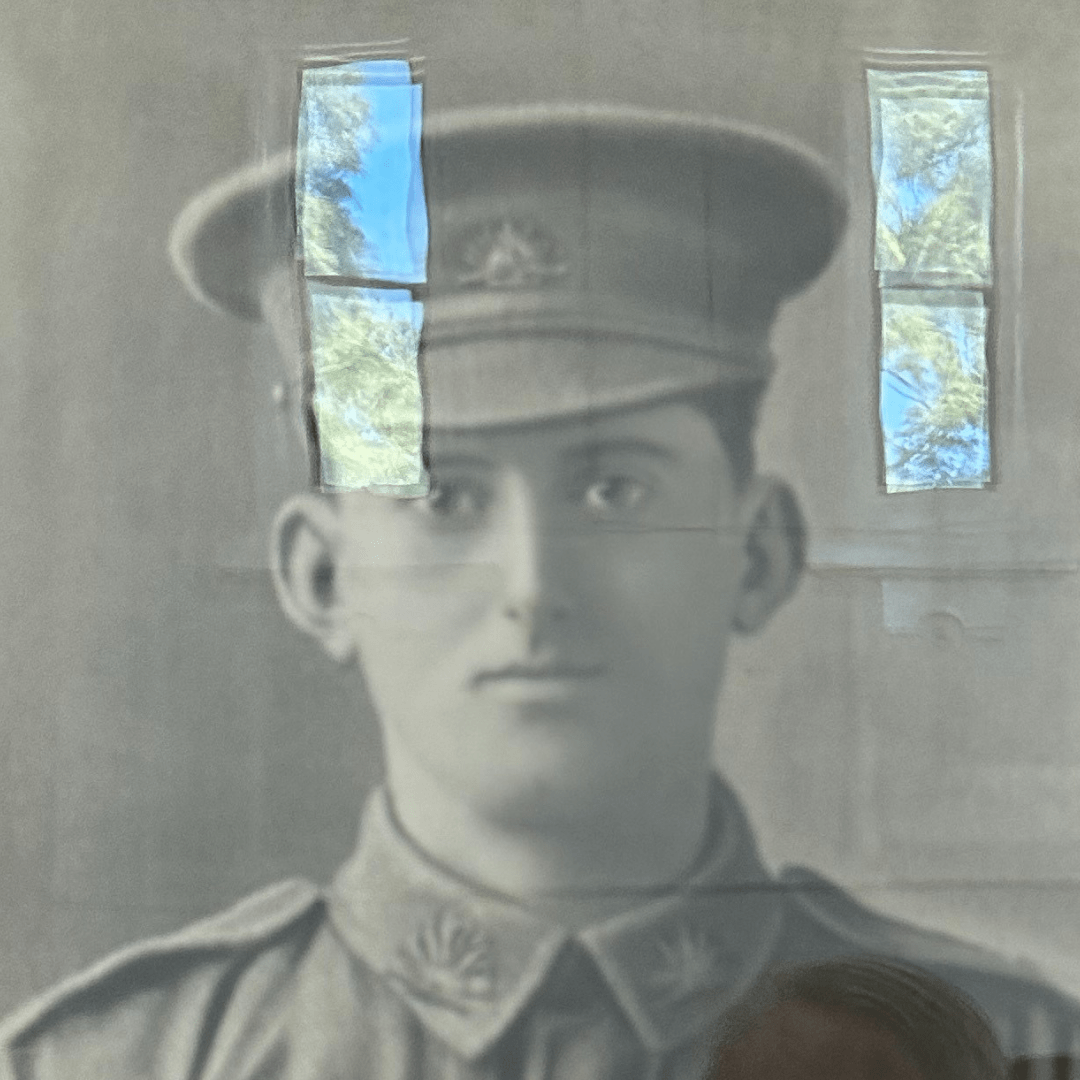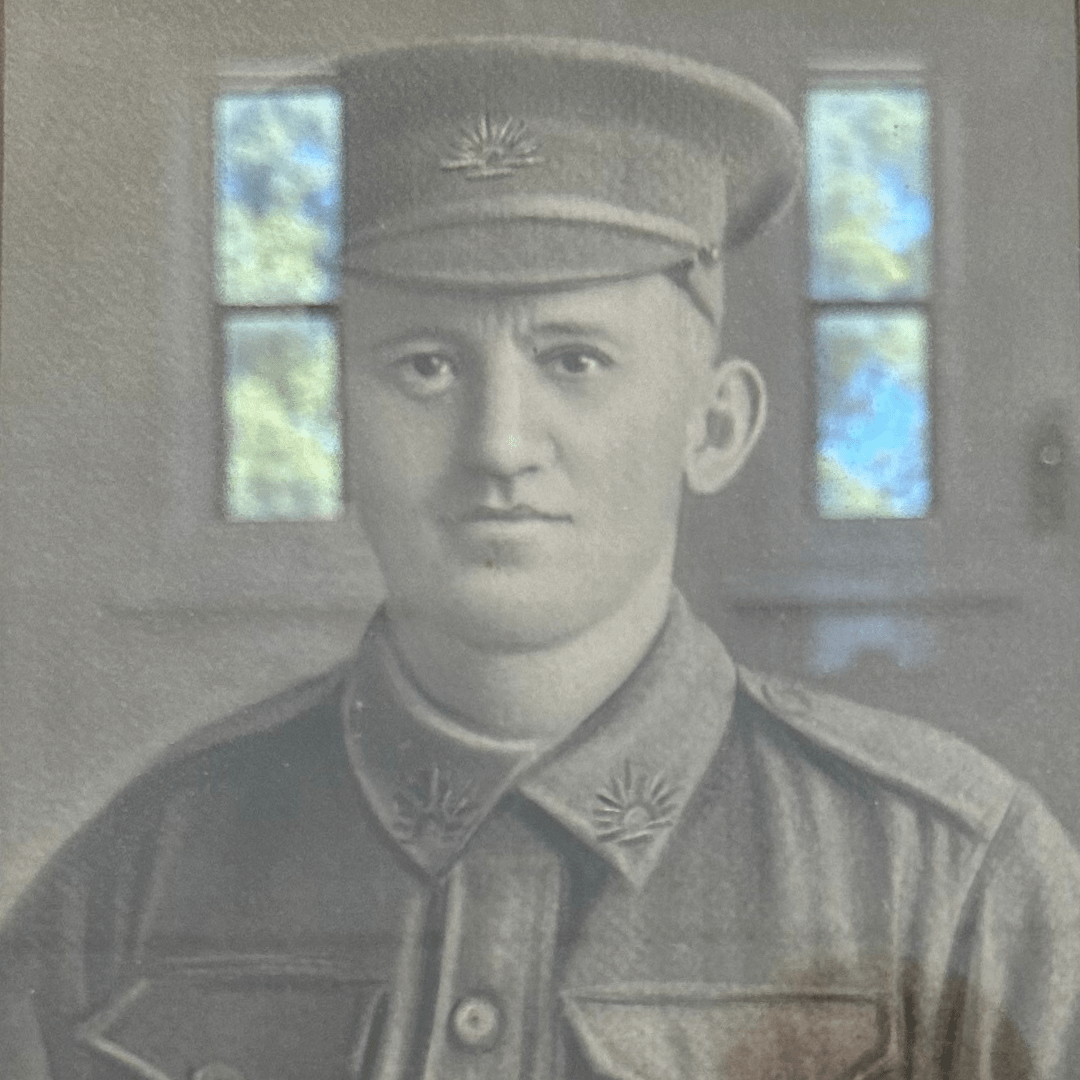
R. H. Botten
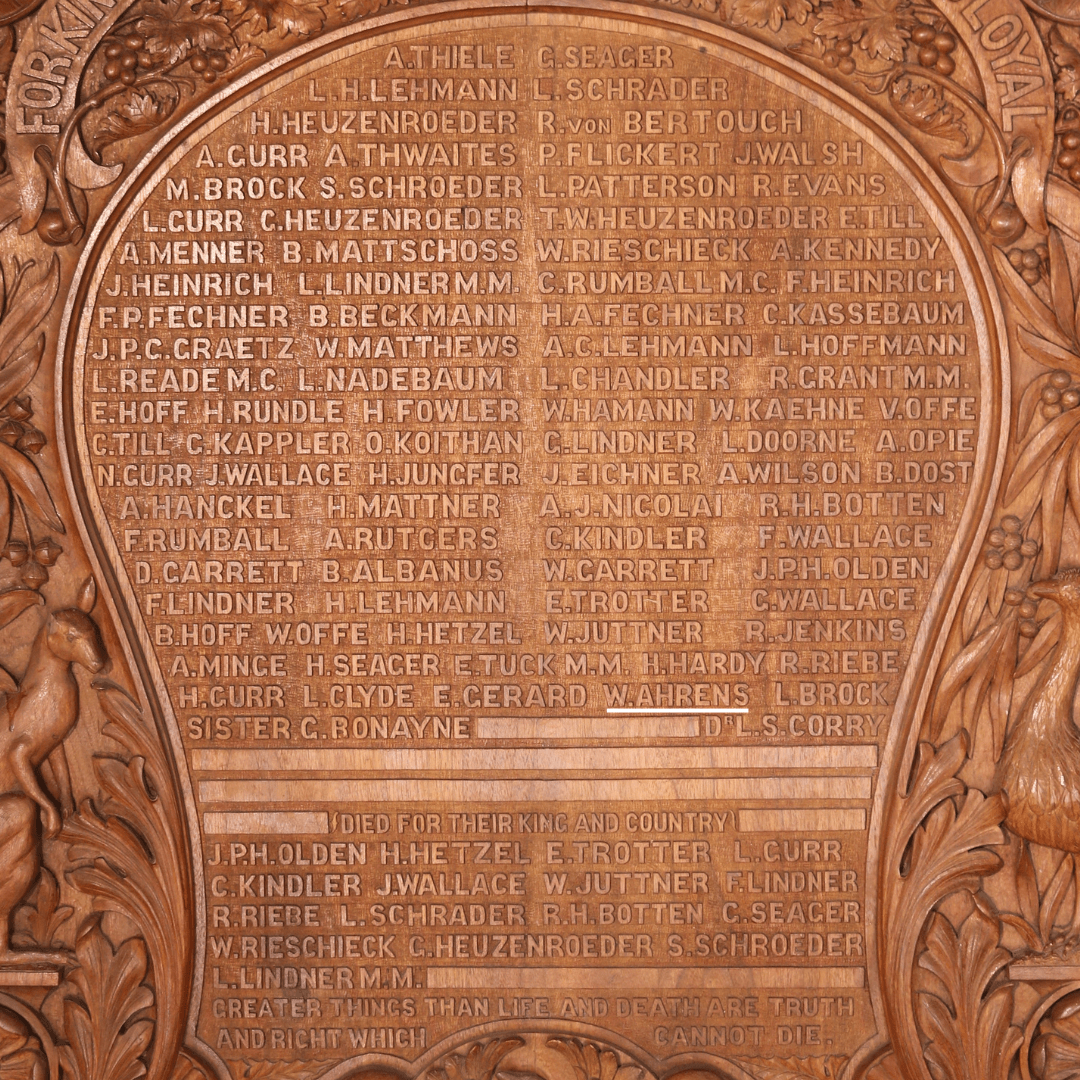
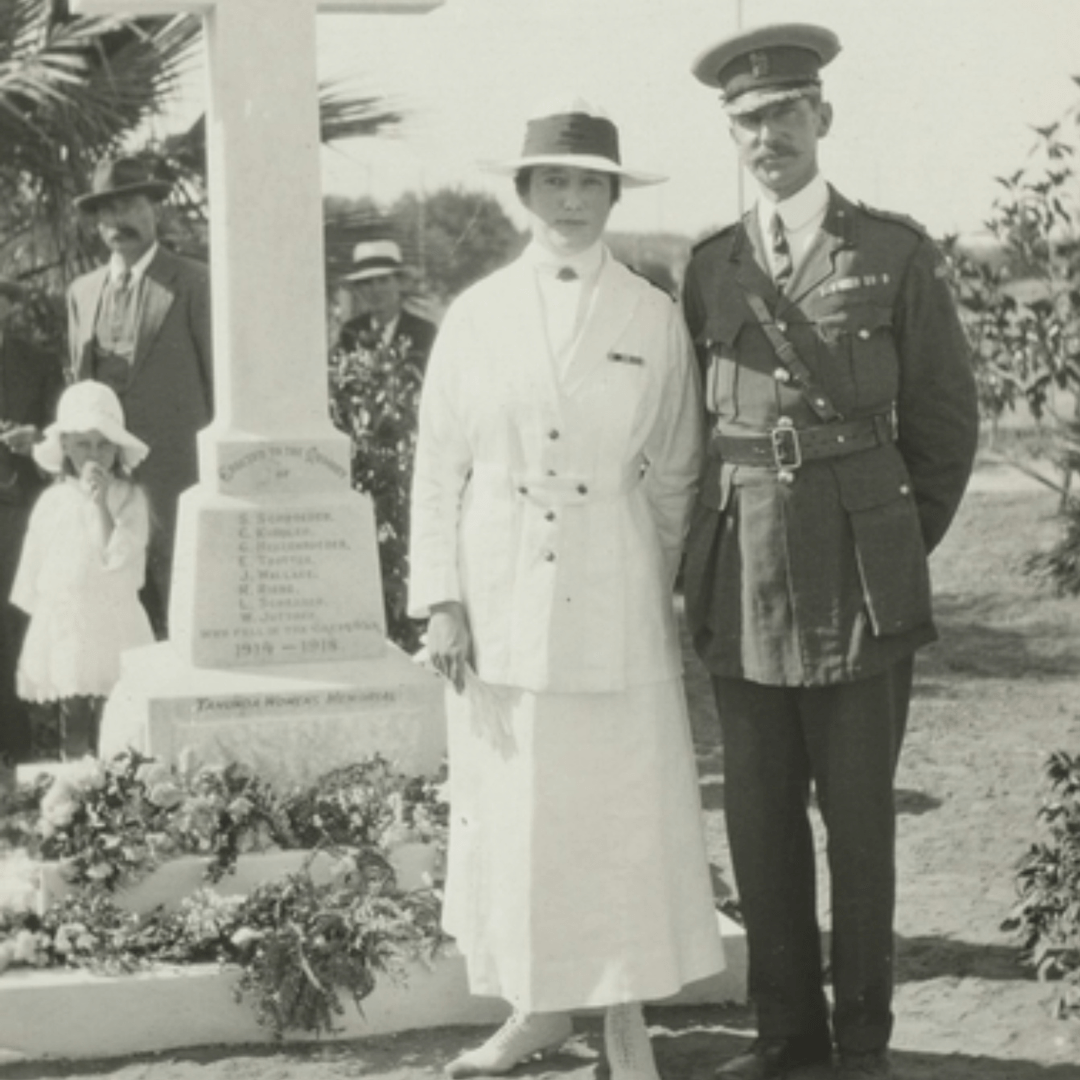
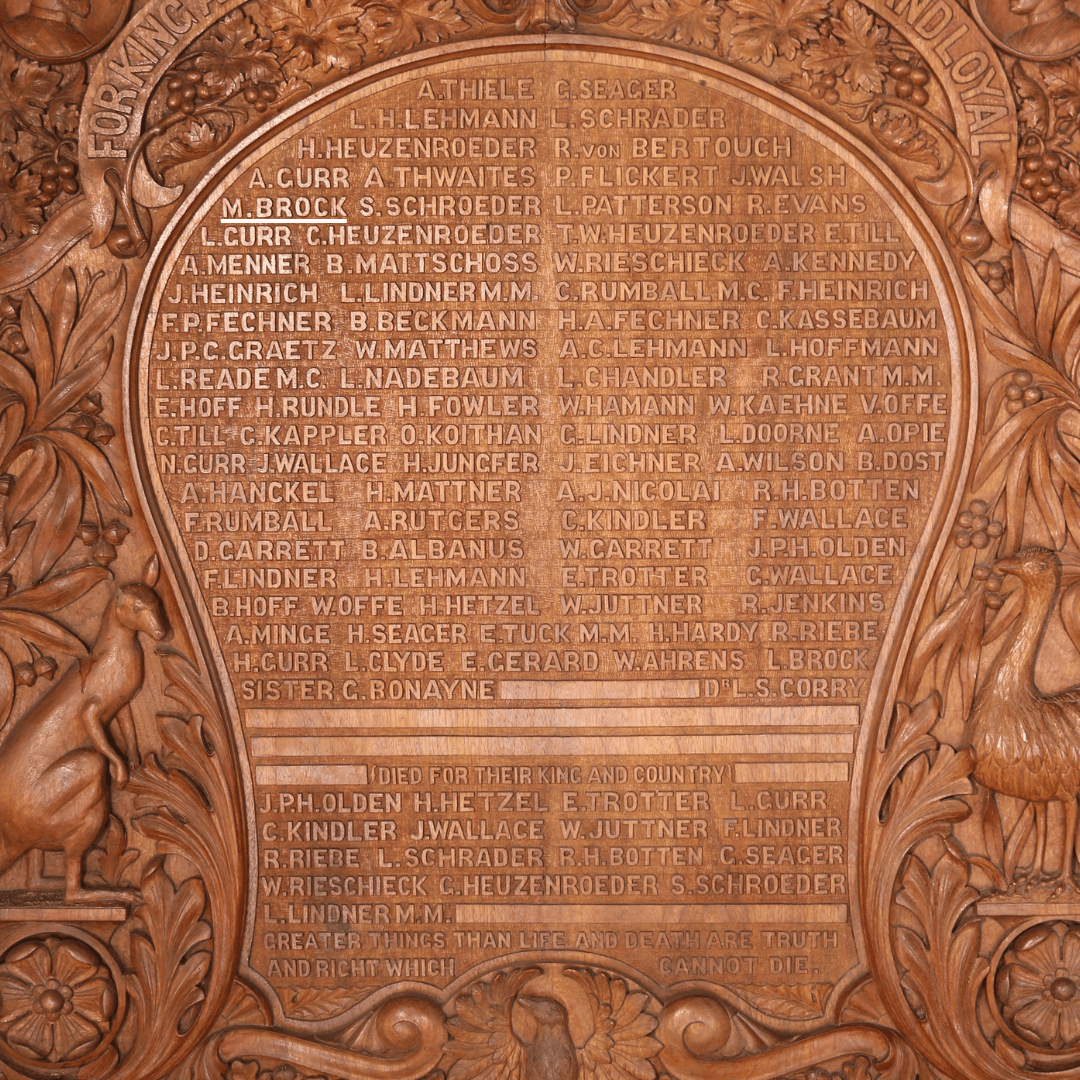
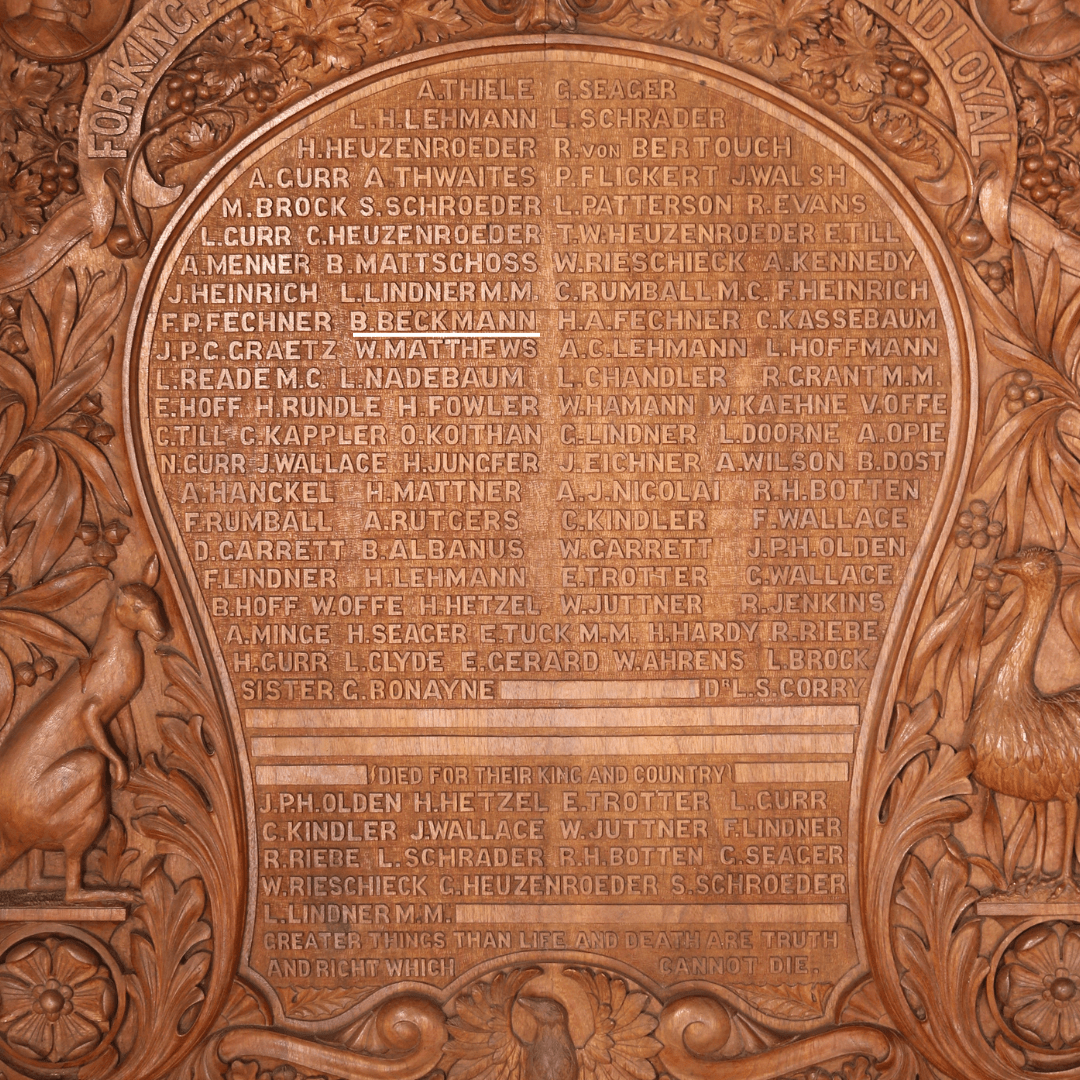
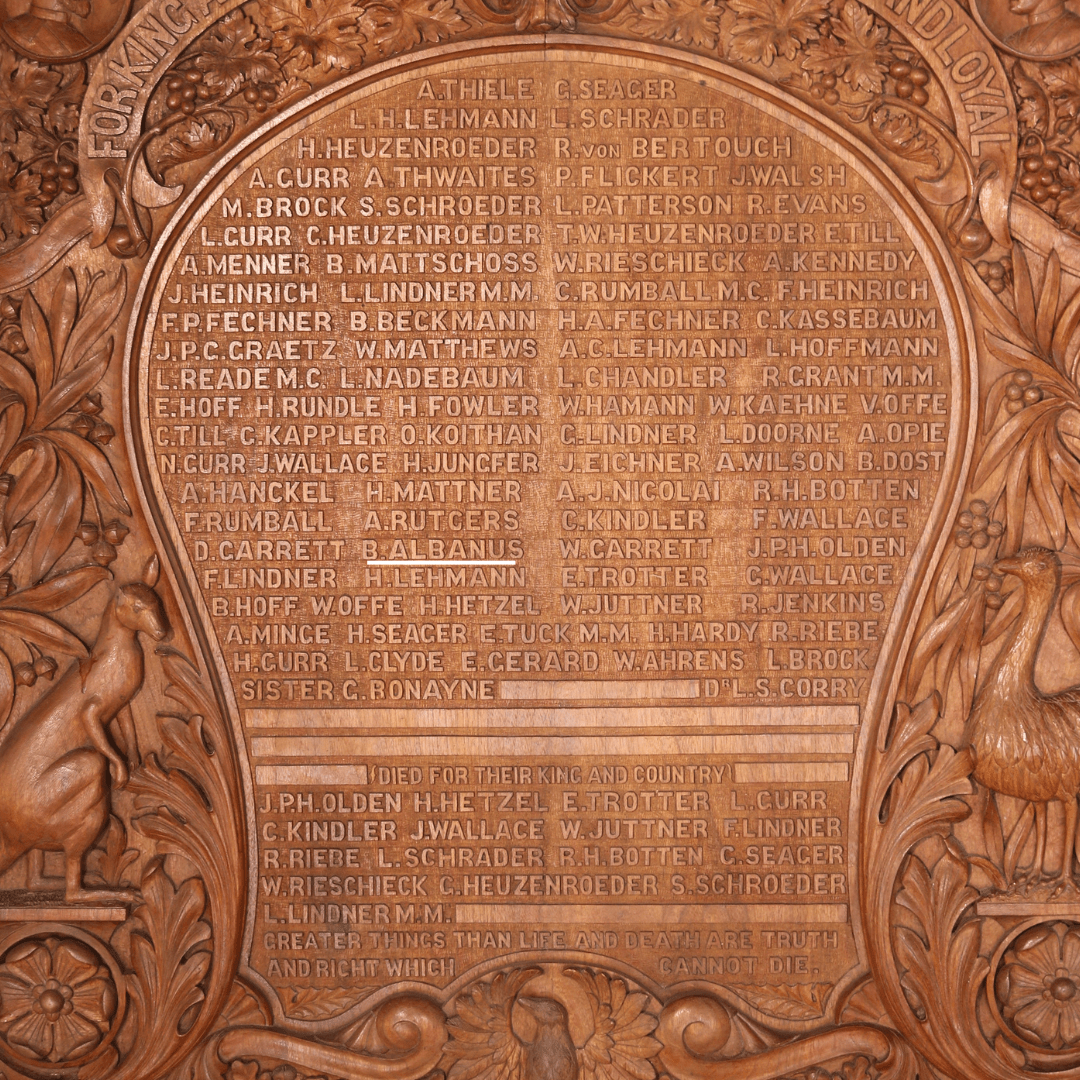
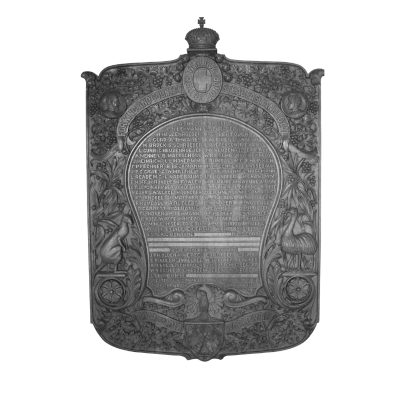
Tanunda Soldiers’ Memorial Hall | WW1 Role of Honour
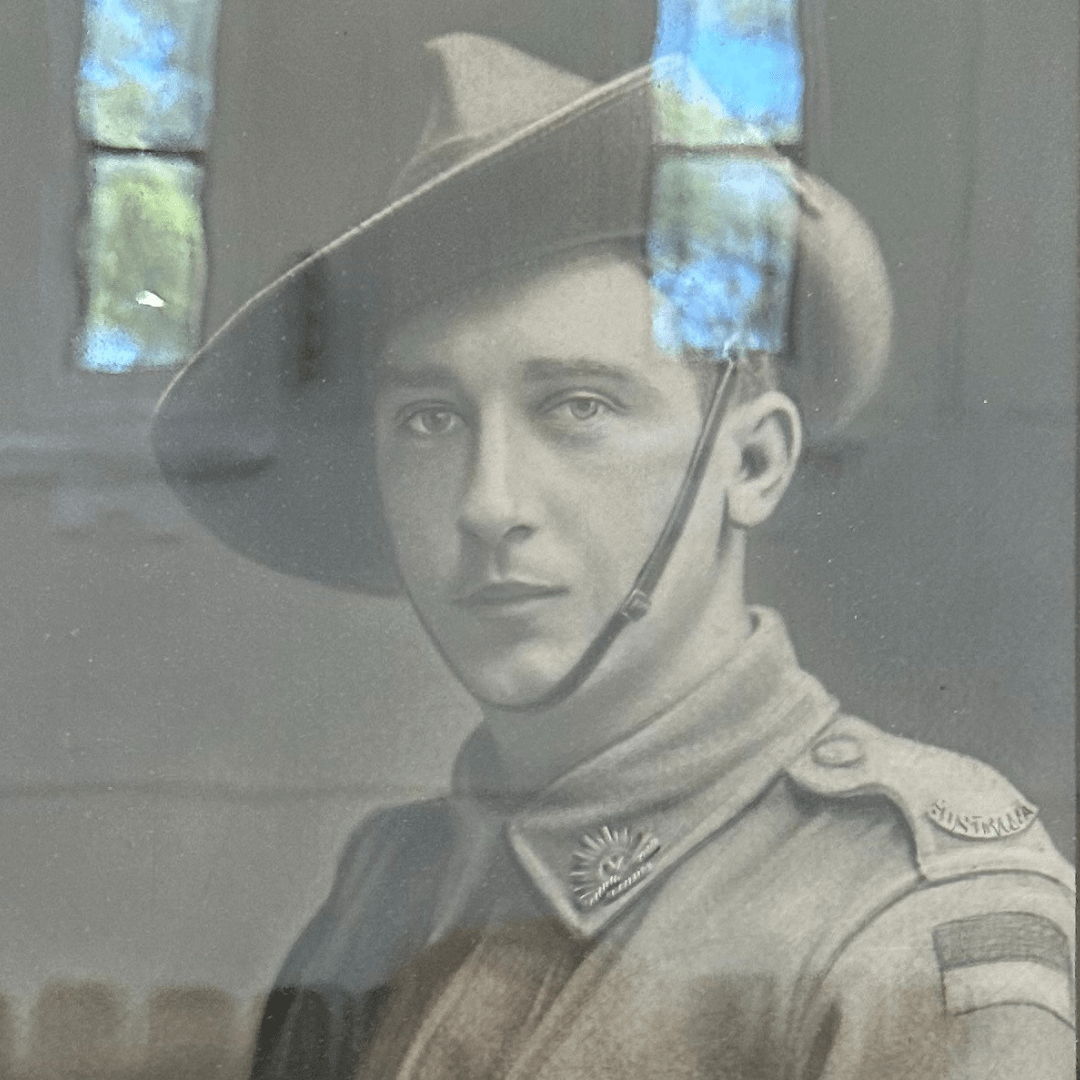
Robert Hillman Botten
Born: 25/9/1888
Died: 2/03/1917
With his very English surname it’s clear from the beginning that Robert Botten was a ring-in to these Barossa parts, which indeed he was.
A newcomer may be, but as a bank clerk who was regularly shifted between South Australian branches, he knew the way to fit in was to play sport. A talented and popular sportsman, Robert was working for the English and Scottish Bank when he was posted to Tanunda and immediately joined the tennis, cricket and football clubs, becoming part of the local community in the process.
The Tanunda sports ground was opened in 1910, with the stone grandstand opened the year after. It was such an occasion for the little town that the Governor travelled by train to officially open the show. The oval was adorned with flags and the women promenaded in their hats and gowns, while the men with their impressive moustaches joined the Governor for a photo. The grounds, and the seating, have remained a critical part of the town’s identity ever since.
At 19 years of age, and 180cm tall, Robert was handy on the cricket pitch, scoring 79 not out in a match against Nuriootpa. Proving himself equally capable with the ball, he rounded out the game by taking two wickets for 16 runs. He must have impressed more than just his teammates because later that same year he was chosen in a representative Barossa team to play in Saddleworth. Historic newspaper articles say that in 1908 he was Best on Ground for Tanunda Footy Club, and several months later won a swag of tennis matches against Angaston.
Born in Adelaide’s inner-city suburb of Prospect, Robert had been sent to North Adelaide public school, and then later, University College where he sat the Bankers Institute Examination, gaining a pass mark of ‘Credit’. His profession automatically lent him a degree of authority, and his confidence on the playing field clearly earnt him much respect.
In 1914 he moved to Melrose and elevated his leadership capacity further by taking a role with the cricket committee. Only 12 months later war broke out and Australia forged its reputation as a nation, but also as a fighting force, on the cliffs at Gallipoli. The cost in human life became all too-clear all-too quickly and a second recruitment wave was launched in the latter half of 1915. At 28 years of age, and 72 kilograms in weight, the confident, reputable and popular sportsman enlisted.
Robert was quickly identified as leadership material within the 27th Battalion and was promoted as a non-commissioned officer, awarded the rank of Sergeant on January 16th 1916.
Three months later Sergeant Botten married Ethel Rose Jacka of Melrose. The ceremony was held in her brother’s house in Plympton, the drawing room having been decorated with plants and the Union Jack for the occasion. The couple honeymooned in the Adelaide Hills, with Robert being sent immediately afterward to Duntroon in Canberra for officer training. He applied for a commission in the AIF in April 1916, and was awarded the rank of Lieutenant. Robert was one of the 158 commissioned officers trained at Duntroon during WW1, and in August 1916, having only been married for four months with much of that spent at Officers School, he was shipped out of Australia on board the ‘Anchises’.
As an officer in the 27th Battalion he commanded a group of men, several of whom came from Tanunda. Also listed on the Honour Roll, and also part of the 27th Battalion were Carl Lehmann, Frederick Lindner, Jack Evans, Paul Fechner, Herbert Heuzenroder and Edward Mattner. Nuriootpa bandsman, Andrew Clyde, was also a commissioned officer in the 27th.
Disembarking England, he was mobilised across the channel and marched into France in December. He saw his first action in the trenches in February 1917 with a two day deployment in the front lines. Relieved to billets in the rear, his battalion were sent in again on February 26th, with the unit diaries commenting that “our patrols very active and did good work”.
On March 1st the 27th Battalion were given orders to attach the Malt Trench, a key German stronghold that was located between Warlencourt to the south, and Loupard Wood to the north.
The Unit diary says:
“Barrage put down 3am. Men went over. First 130 yards easily obtained, then the enemy flanked, our men turned them out and a counterattack immediately by Capt Devonshire lead by Lieut Davies was entirely successful. During the engagement Captain Julge (MC) was severely wounded while Lieuts Botten and Lucas were killed. 28 Enemy prisoners, over 60 enemy killed. AIF: 22 killed, 95 wounded”
Robert served in the front lines for only five weeks. He was buried by his unit in a war grave just off of Sunken Road, Baupume. At the end of the war his body was one of thousands that were exhumed and reinterred in official war cemeteries. He now rests in Warlencourt British Cemetery.
Spouse: Ethel Rose Botten (nee Jackman)
Mother: (Ann) Jane Botten (nee Hillman)
Father: Robert Botten
Recorded Township Connection: Unclear
Elisted: 9/27/1915
Discharged: 2/03/1917 Killed in Action, Warlencourt
Rank: Lieutenant
Service Number: B8022
Unit: 27th Bn. AIF
Letters & Links: Lieutenant Robert Hillman Botten | War Casualty Details 240862 | CWGC
Grave Site: Warlencourt British Cemetery VI. H. 34. France
NAA Record: View digital copy
Virtual War Memorial Link: Virtual War Memorial | Robert Hillman (Bert) BOTTEN
“He was a prominent cricketer, footballer, and tennis player in the northern towns, particularly Tanunda, Snowtown, and Melrose, where he was well known.” Chronicle (Adelaide, SA), Saturday 24 March 1917, page 45